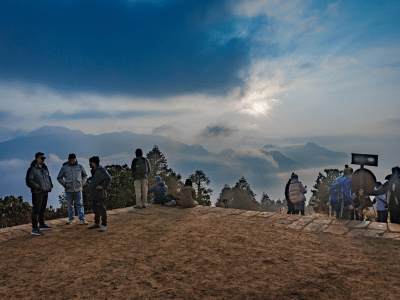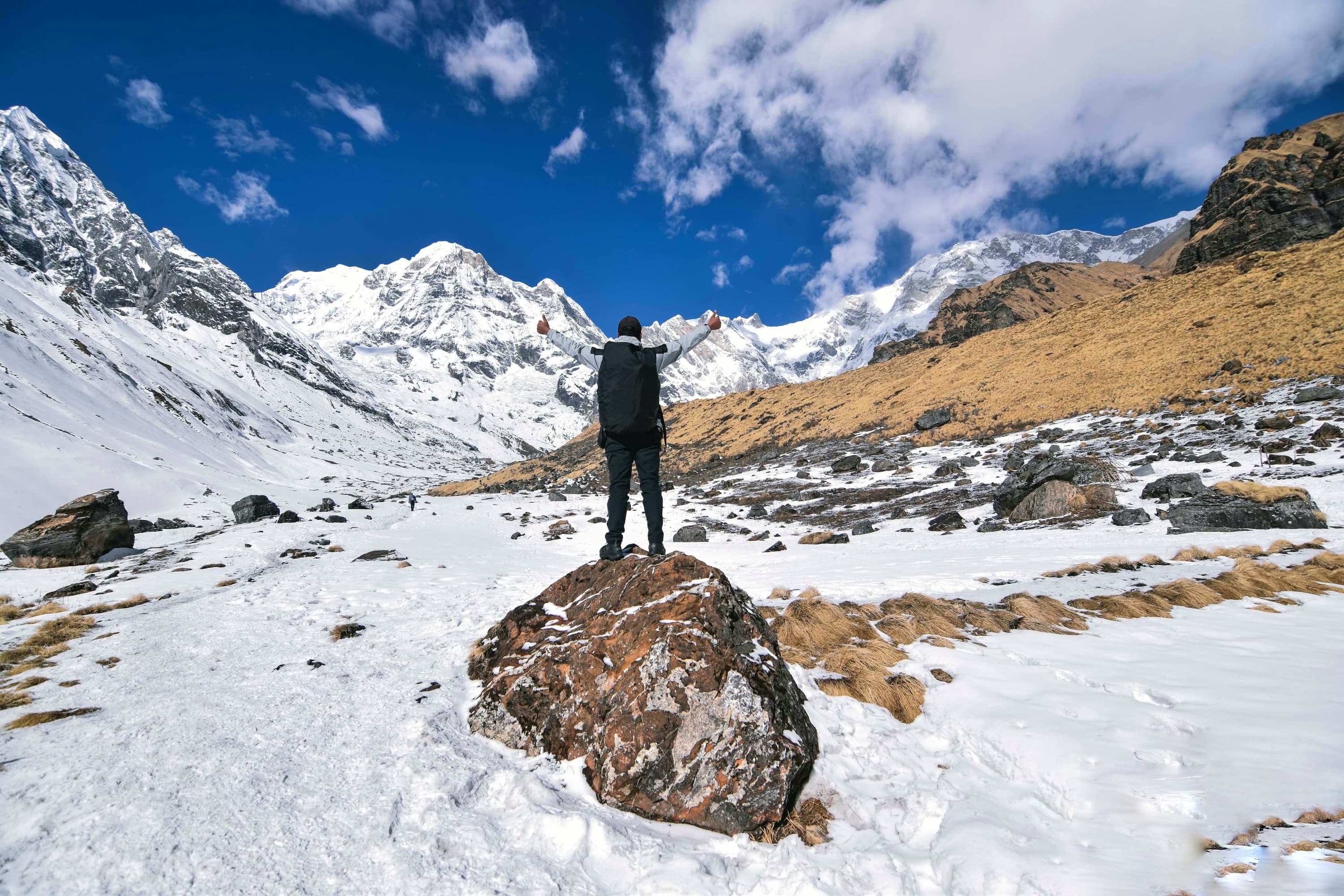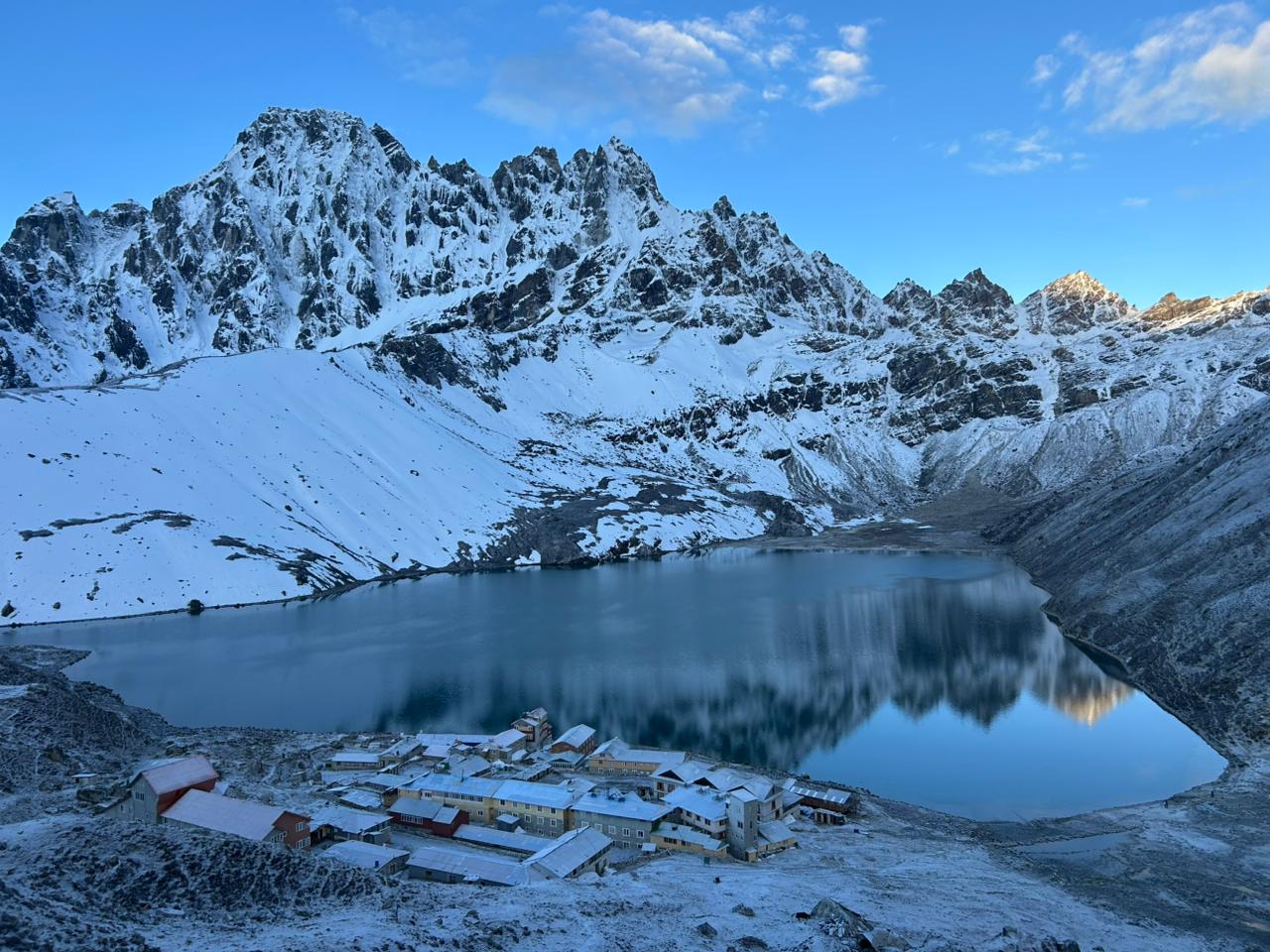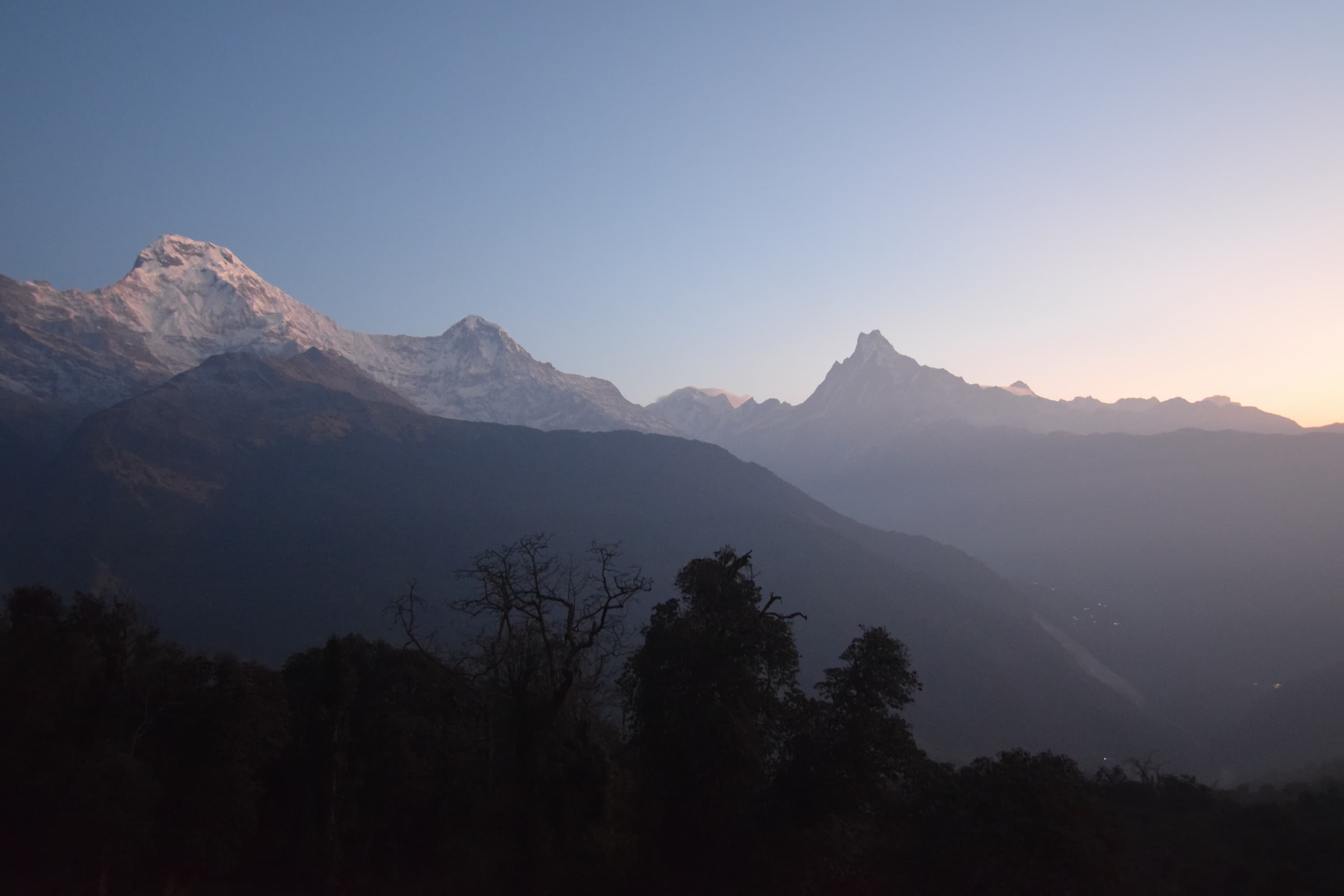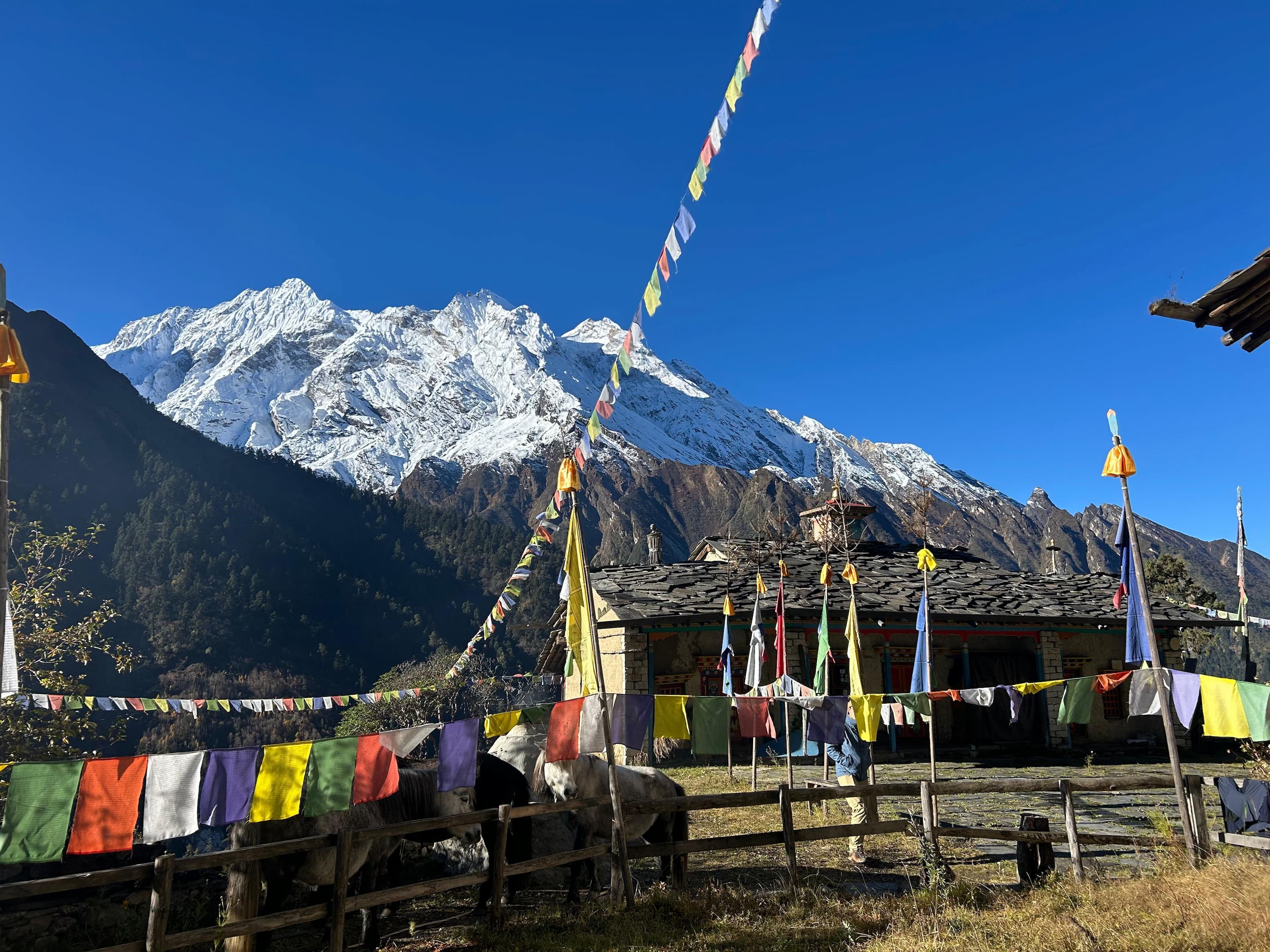
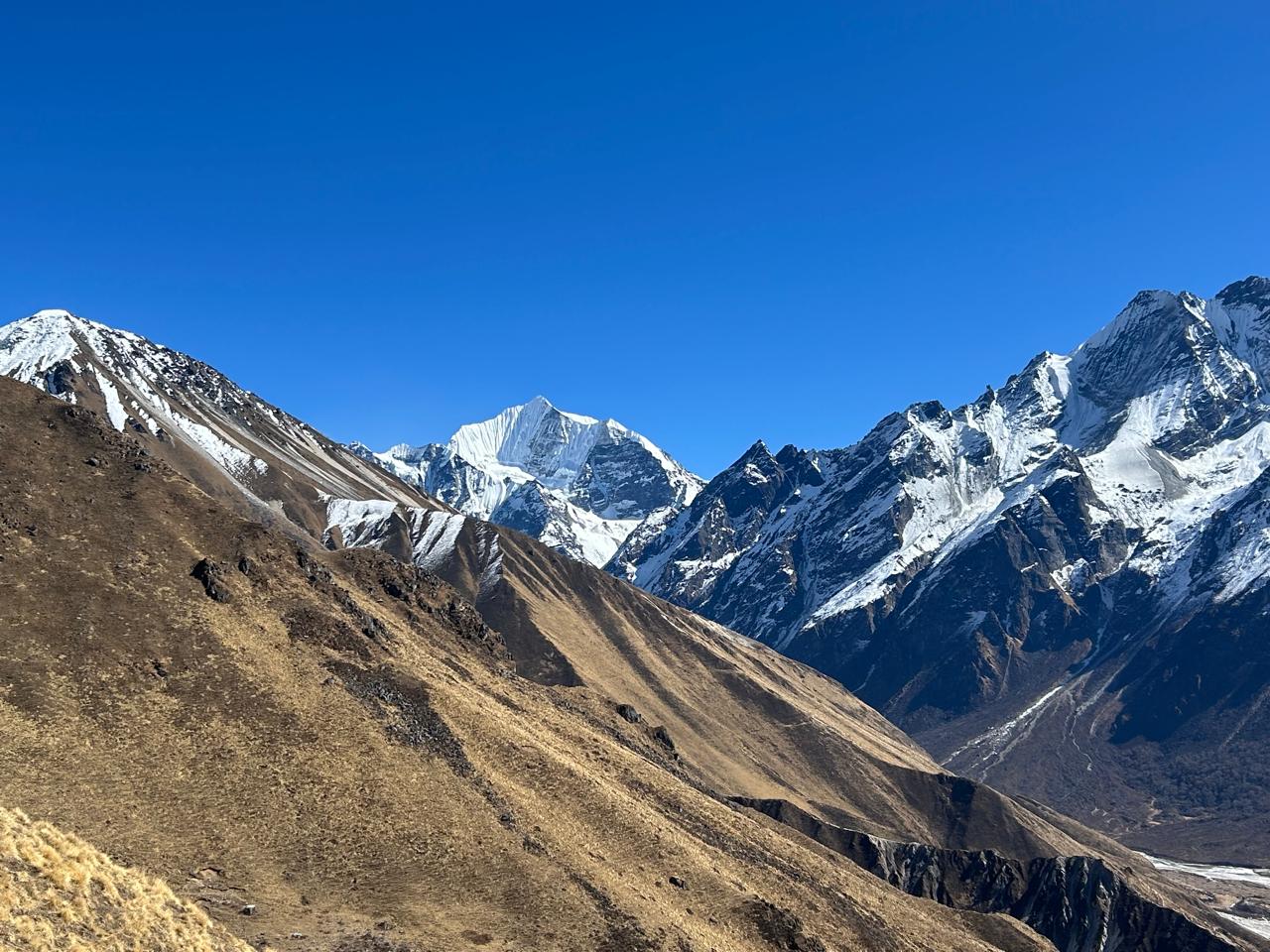
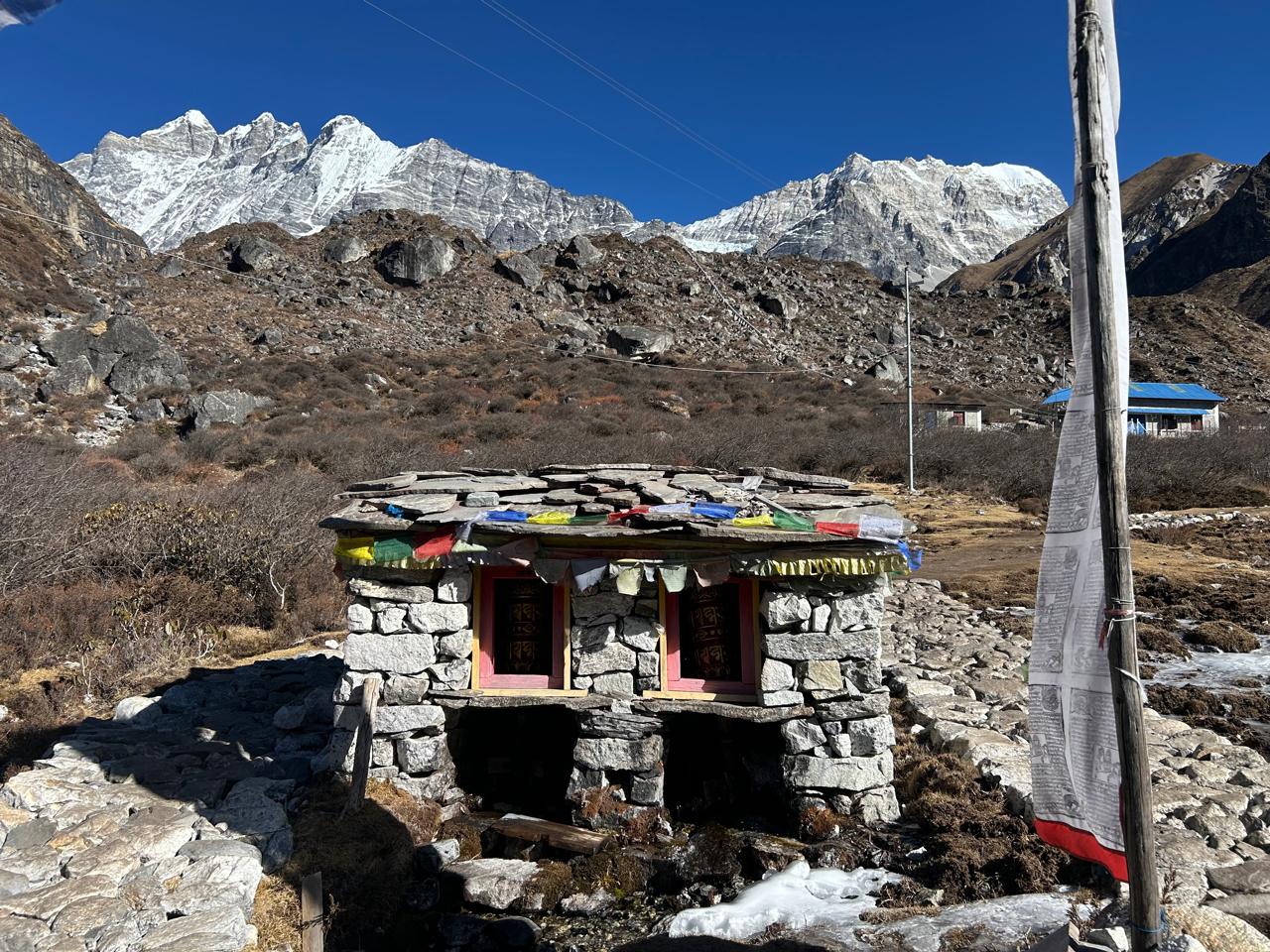
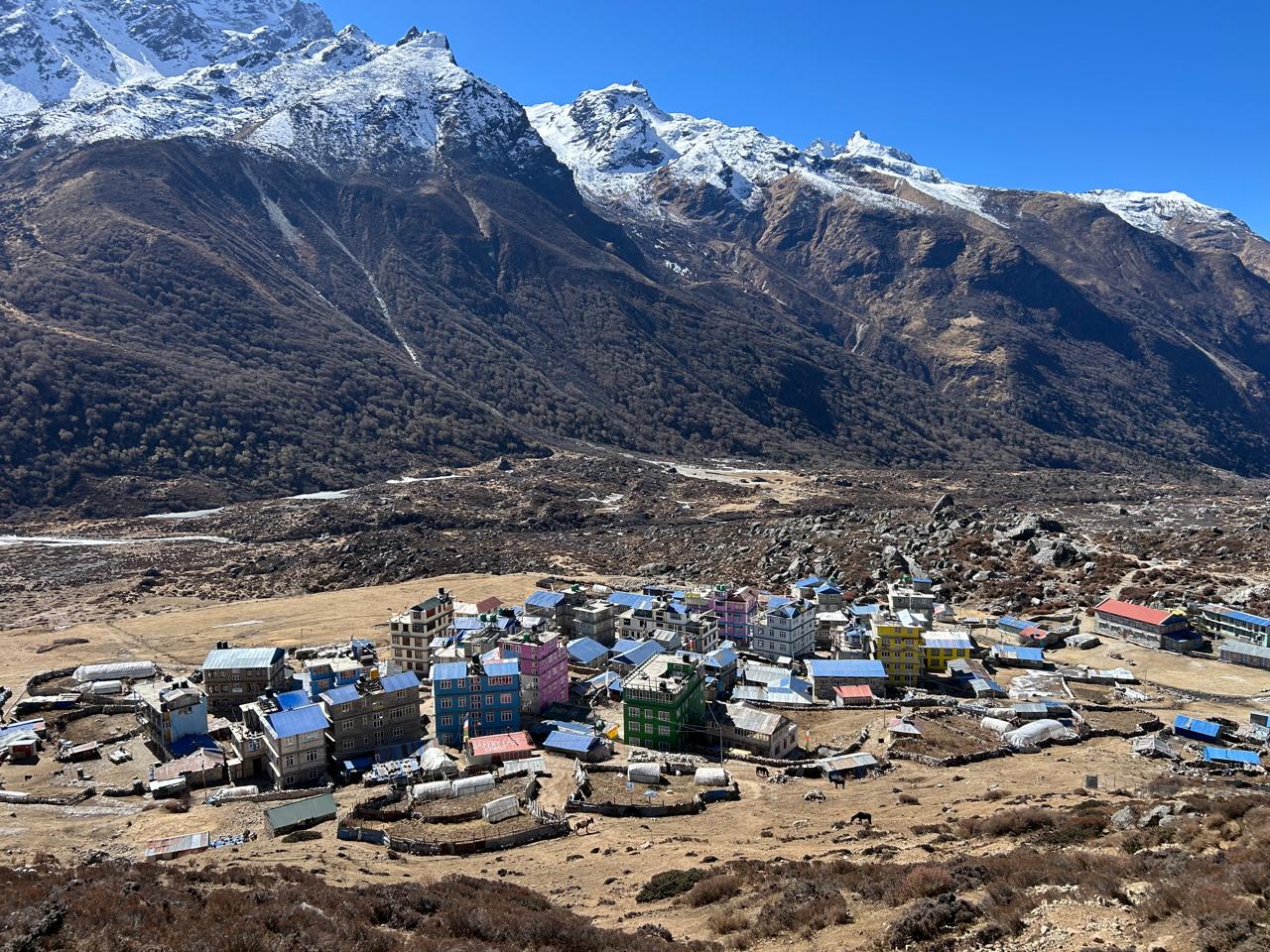
The Langtang Valley Trek with Himalayan Immersion Treks is a breathtaking adventure that takes you deep into one of Nepal’s most stunning and culturally rich regions. Nestled just north of Kathmandu and bordering Tibet, Langtang Valley offers a perfect blend of towering Himalayan peaks, lush forests, and warm local hospitality. This 10-day journey is ideal for trekkers seeking a rewarding experience without the extreme altitudes of Everest or Annapurna. The trail winds through vibrant rhododendron and bamboo forests, past cascading waterfalls, and into traditional Tamang and Tibetan villages, where ancient traditions and mountain heritage come alive.
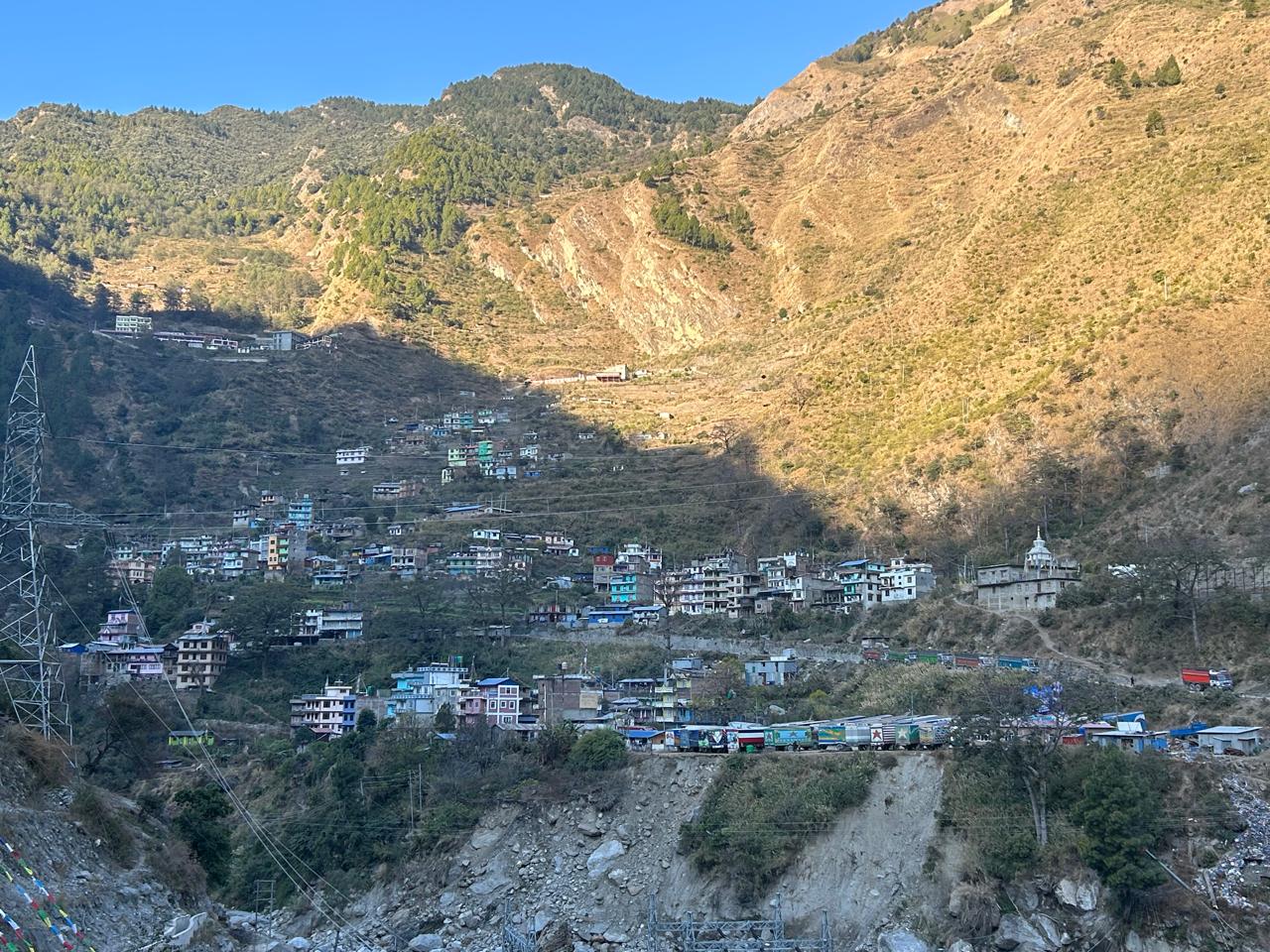
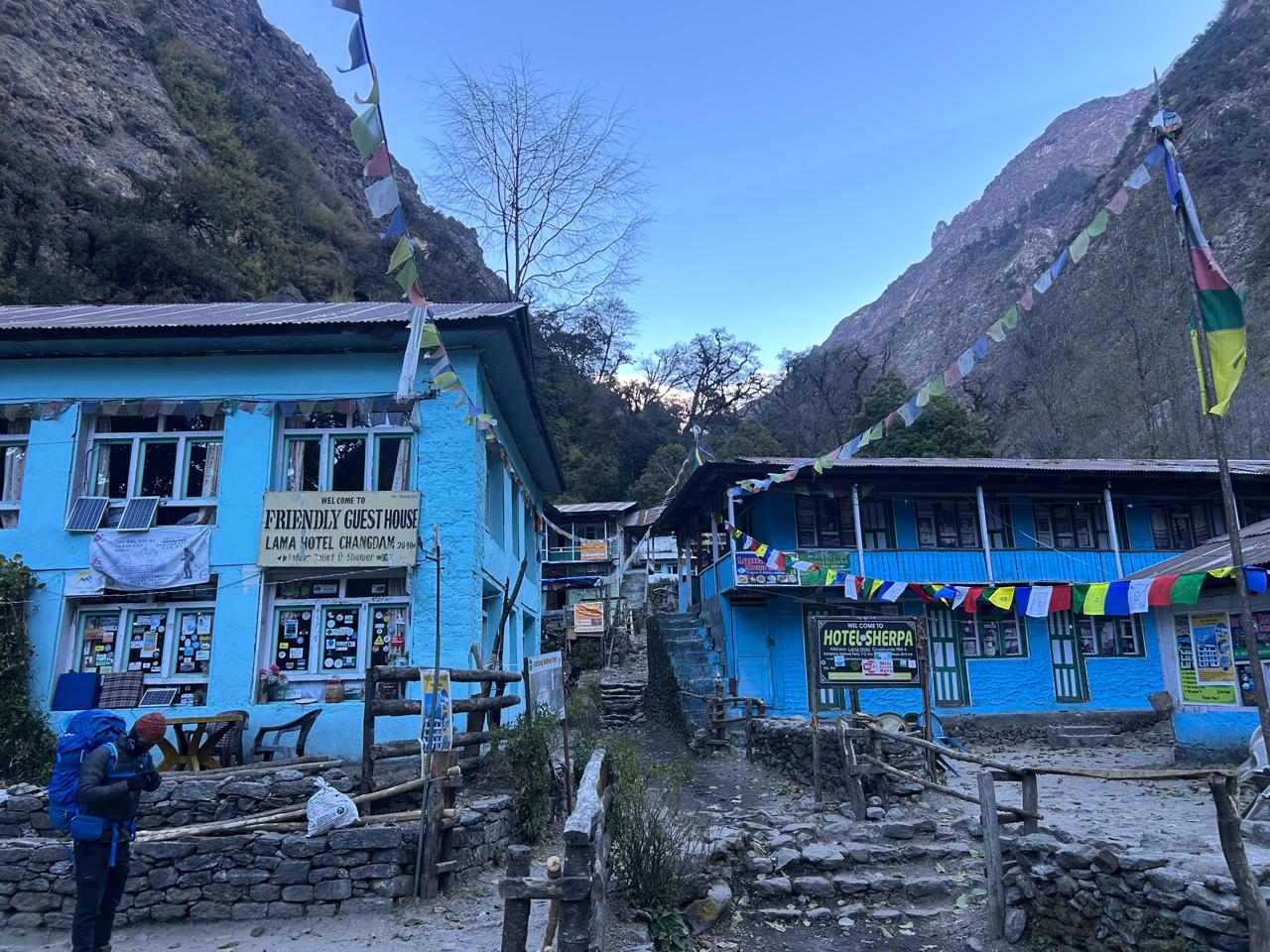
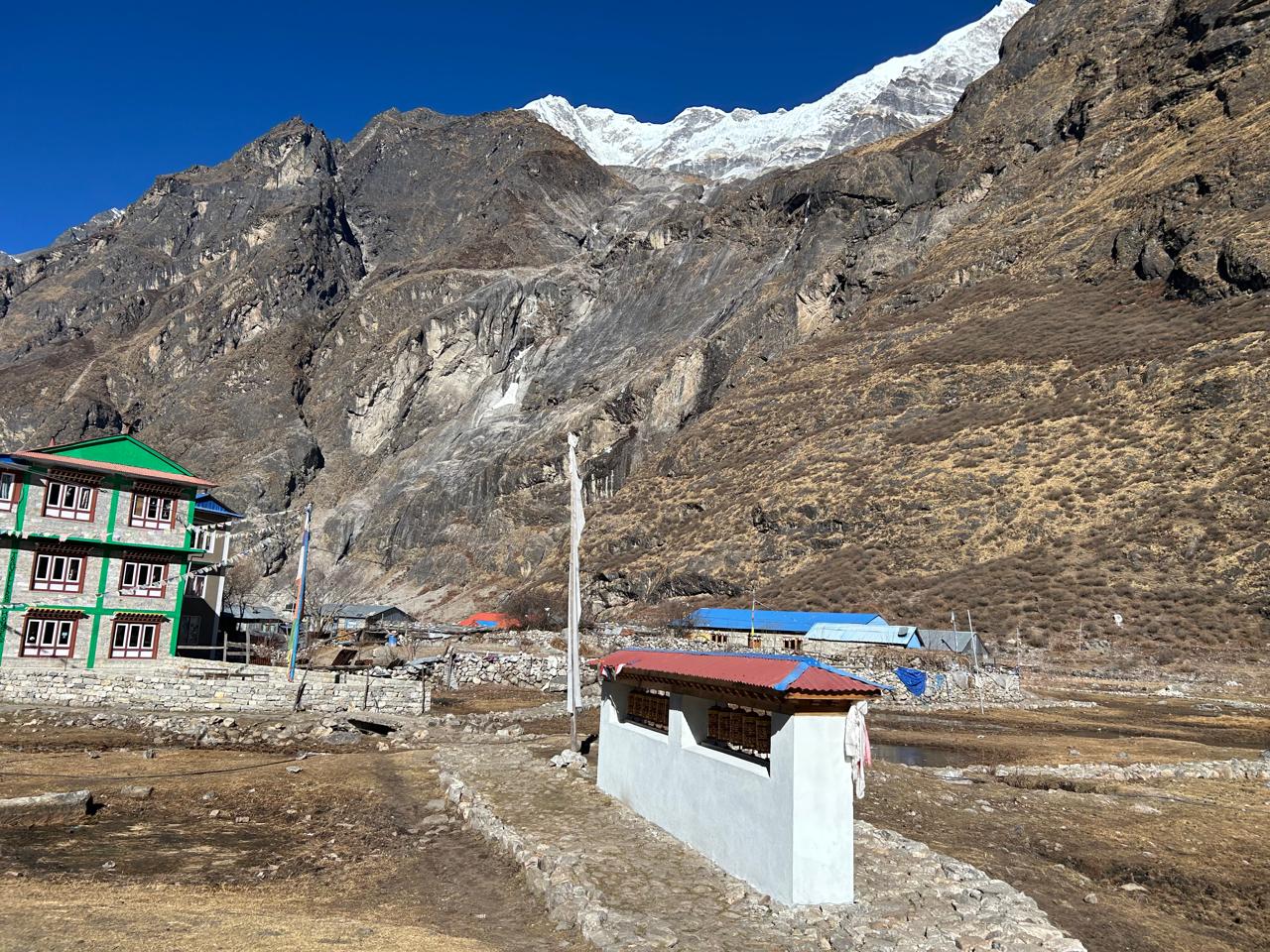
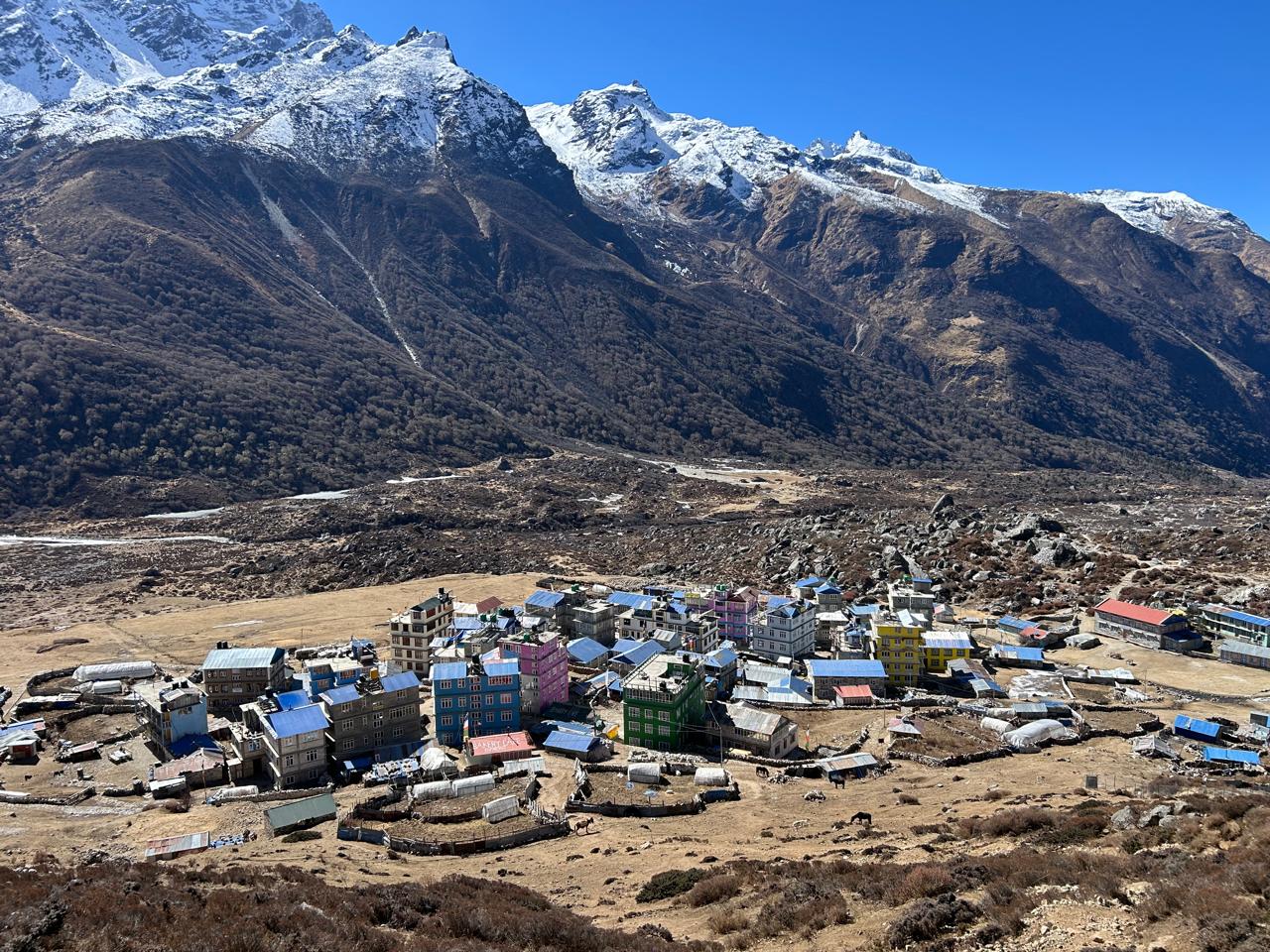
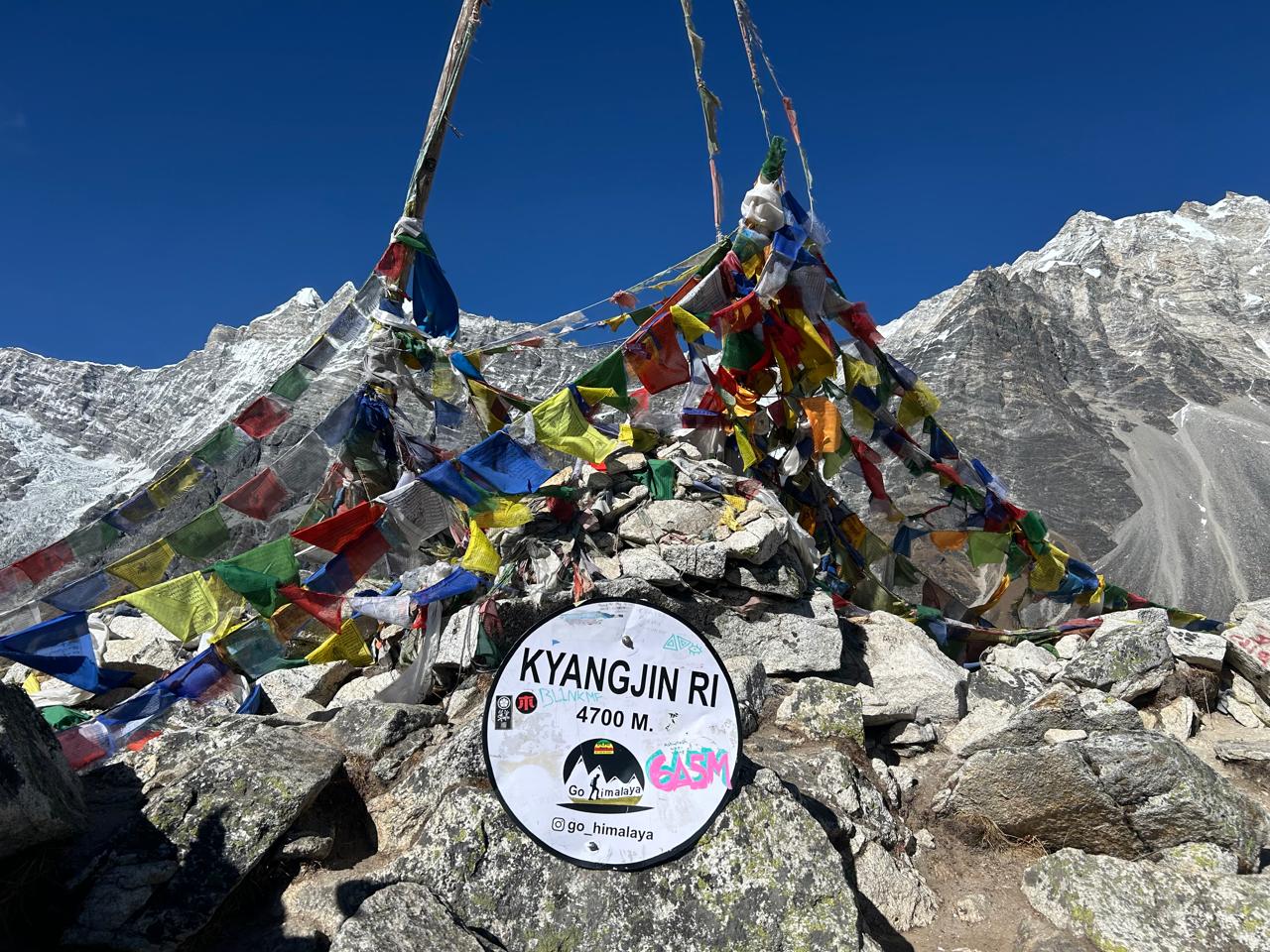
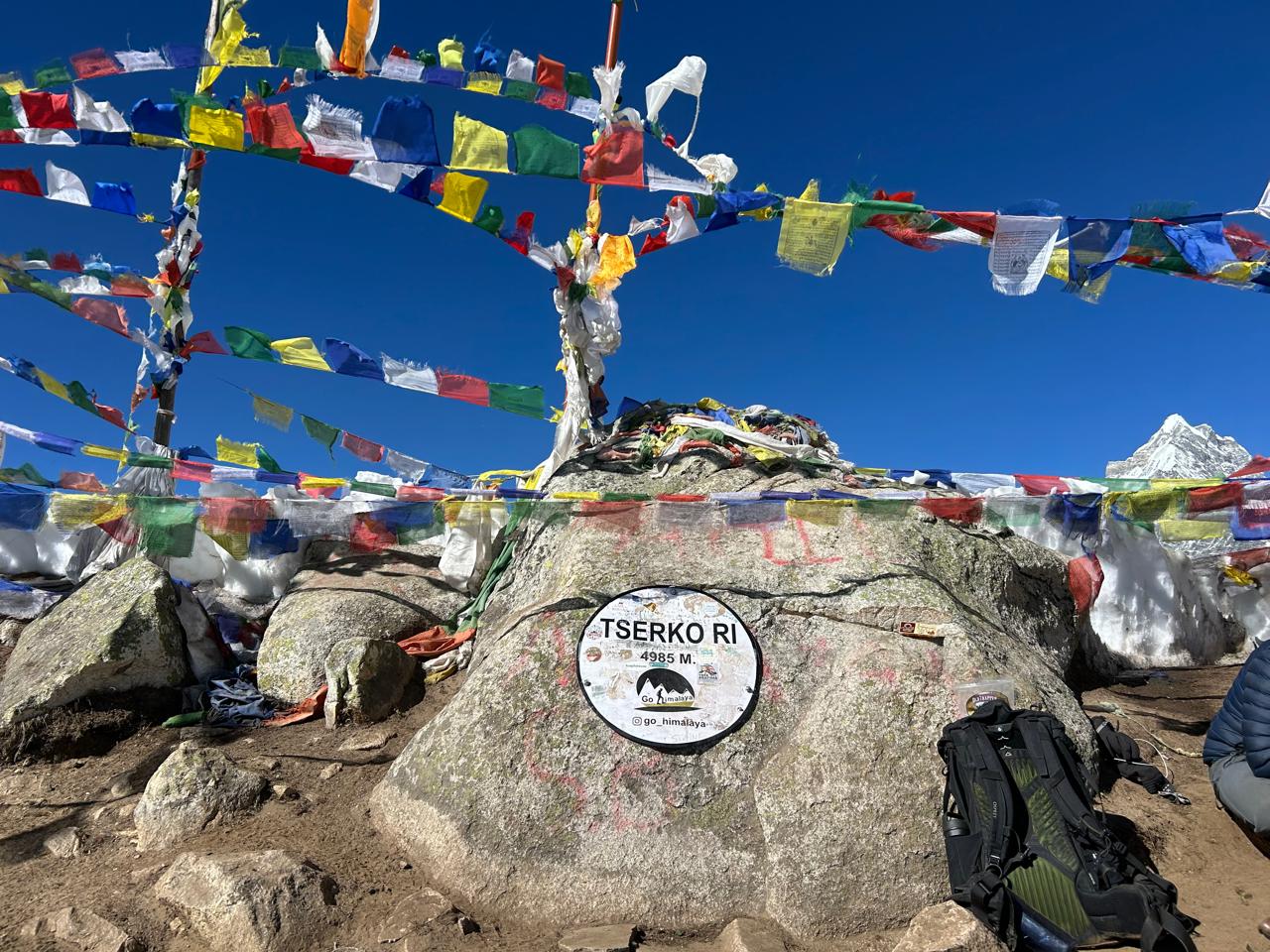
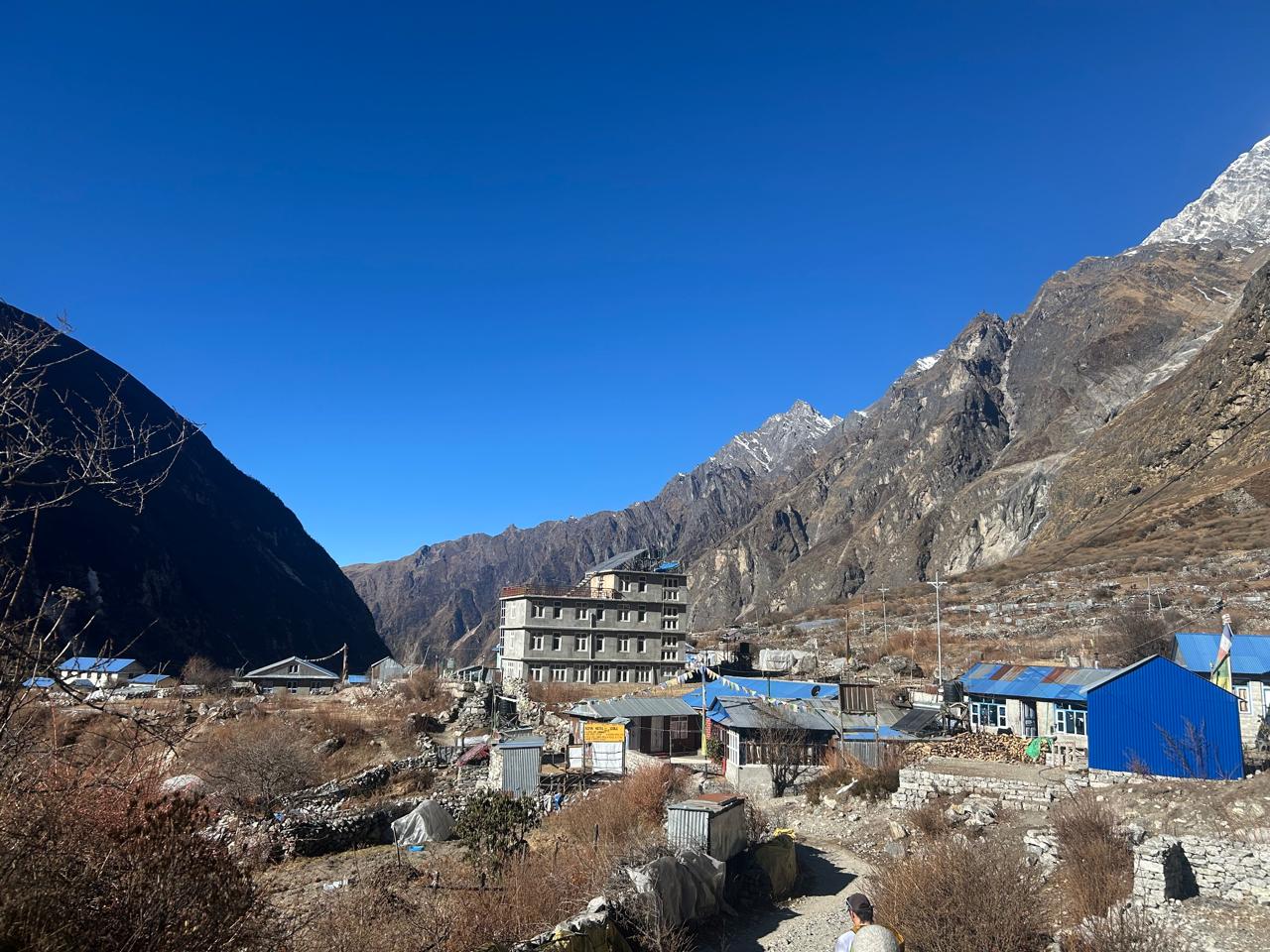
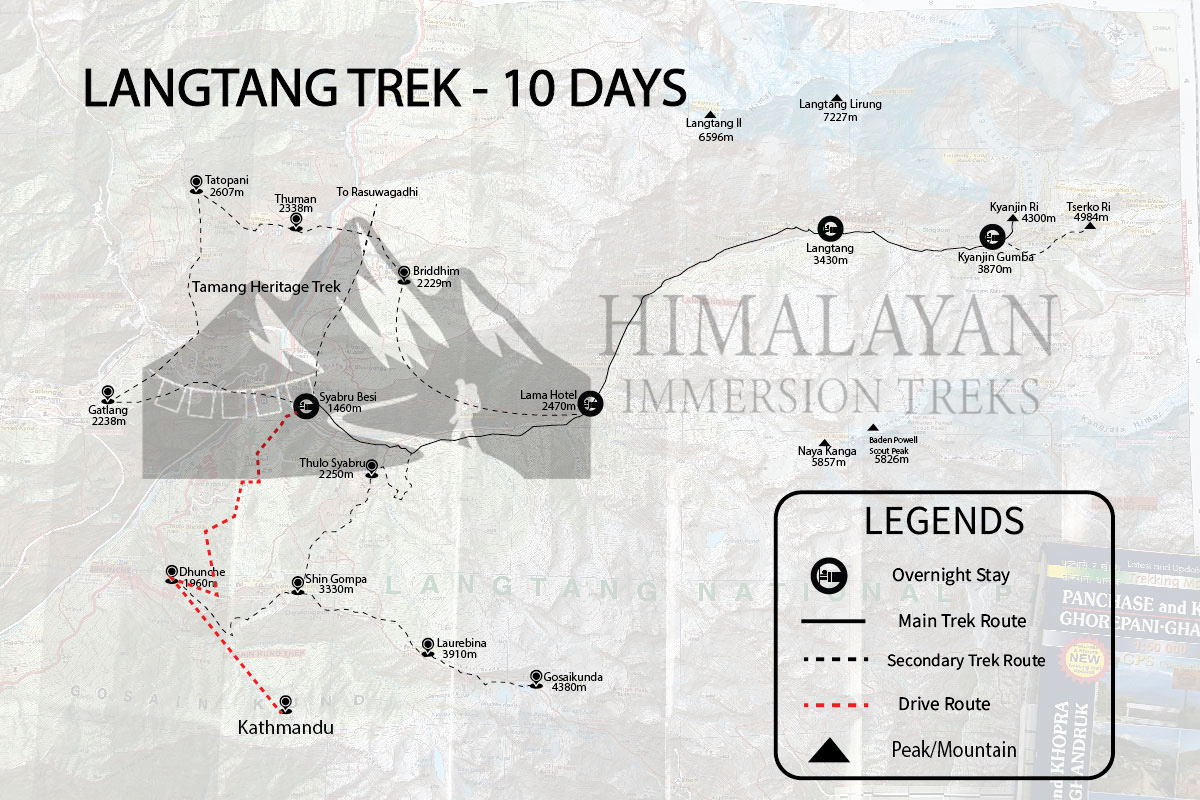
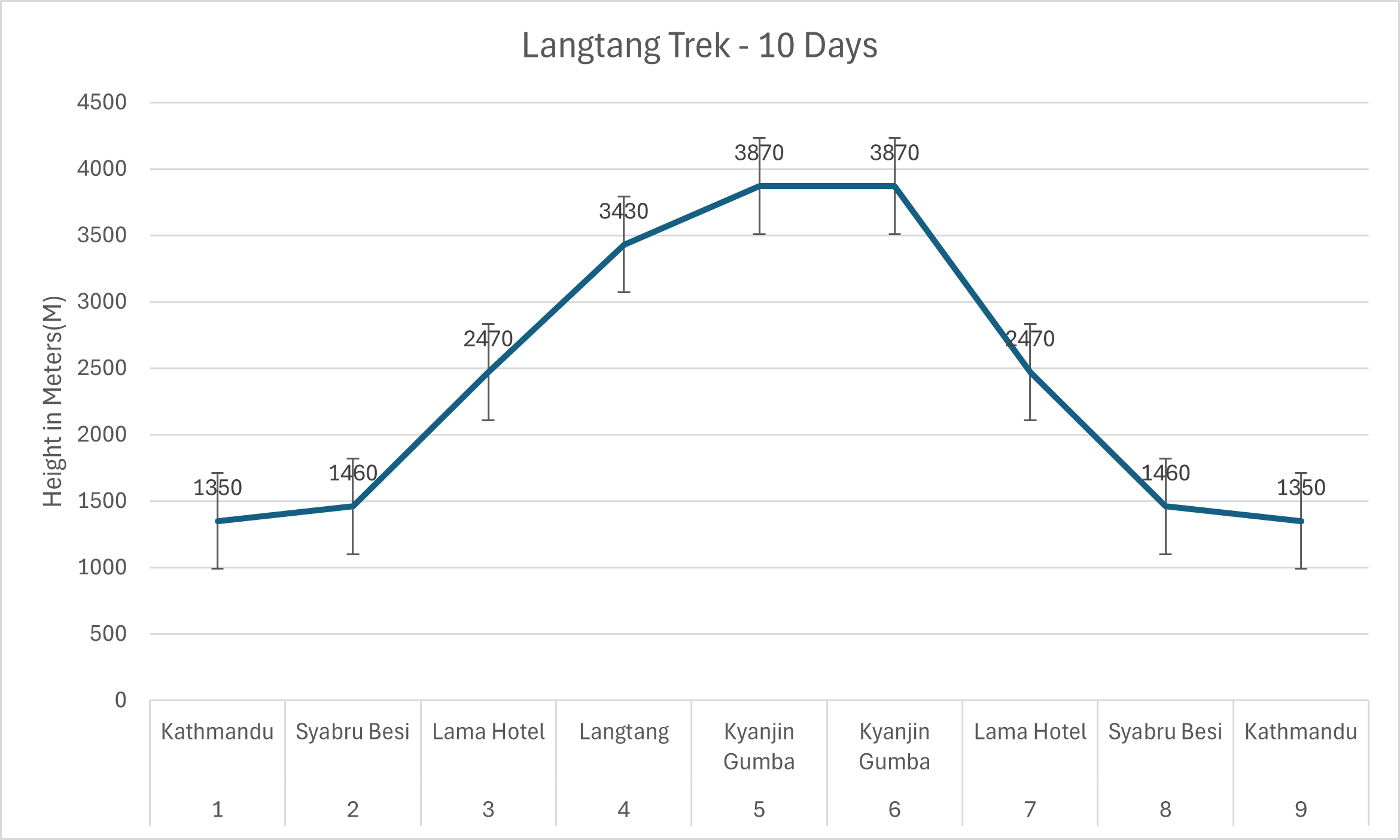
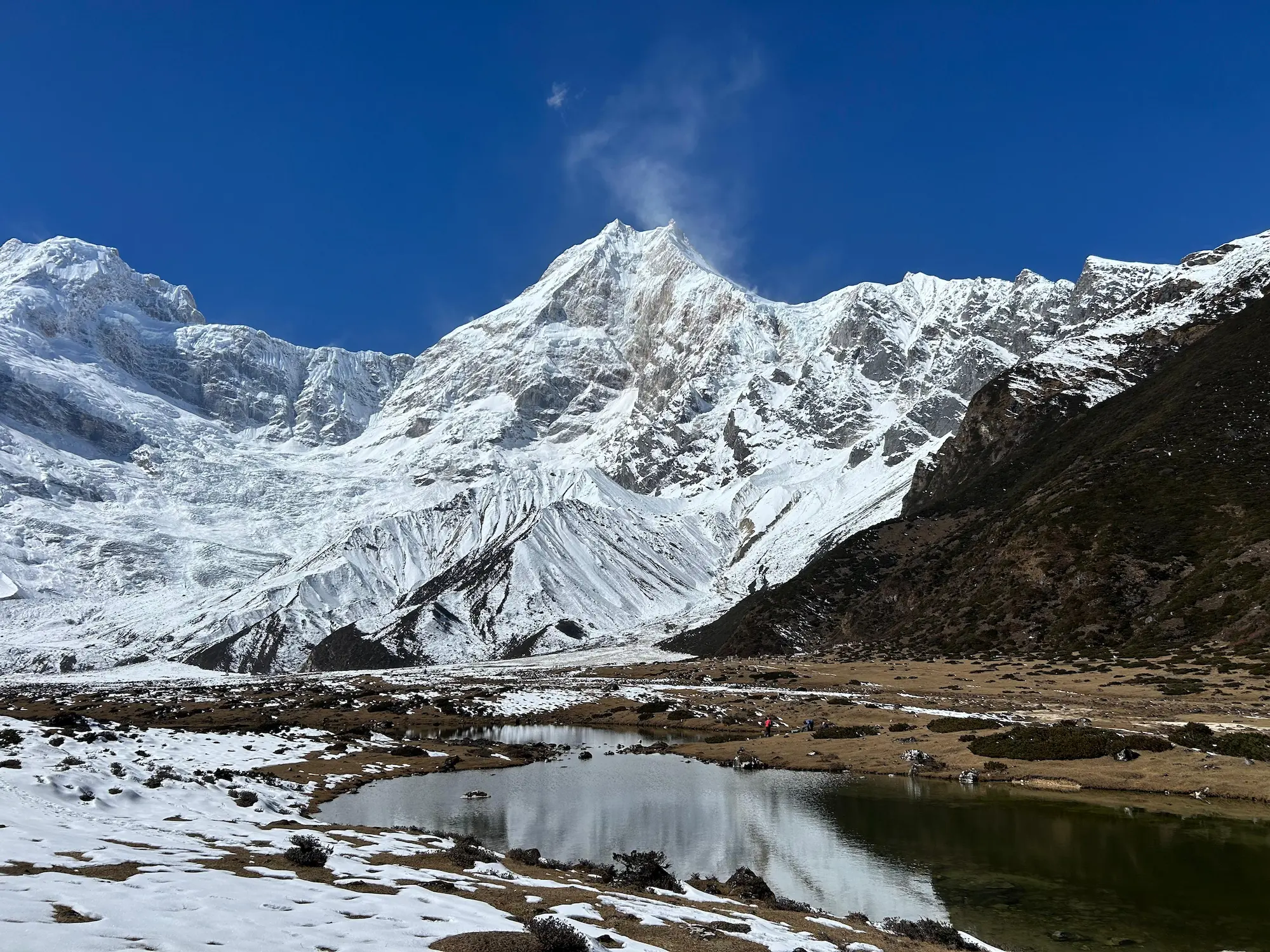
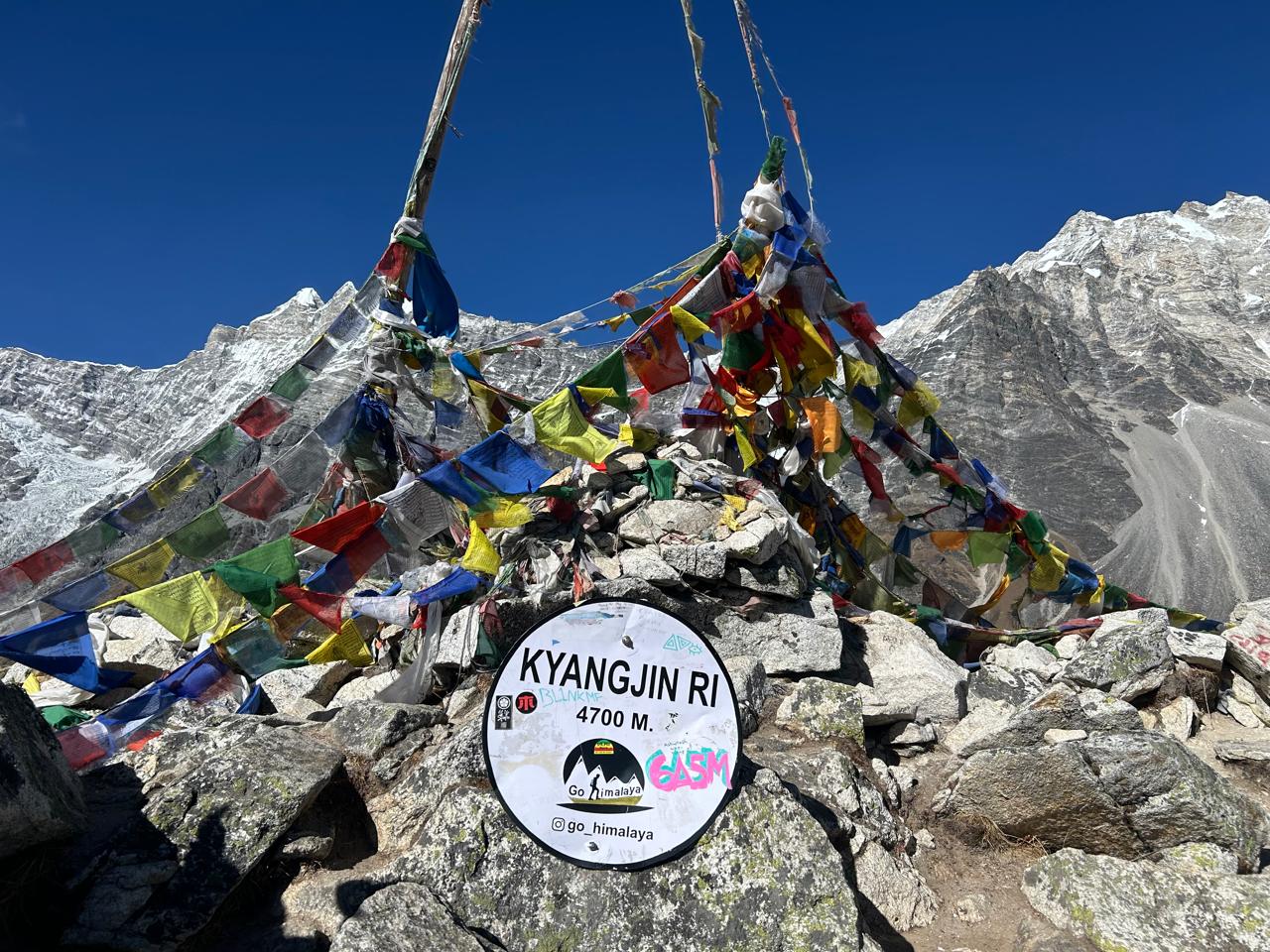
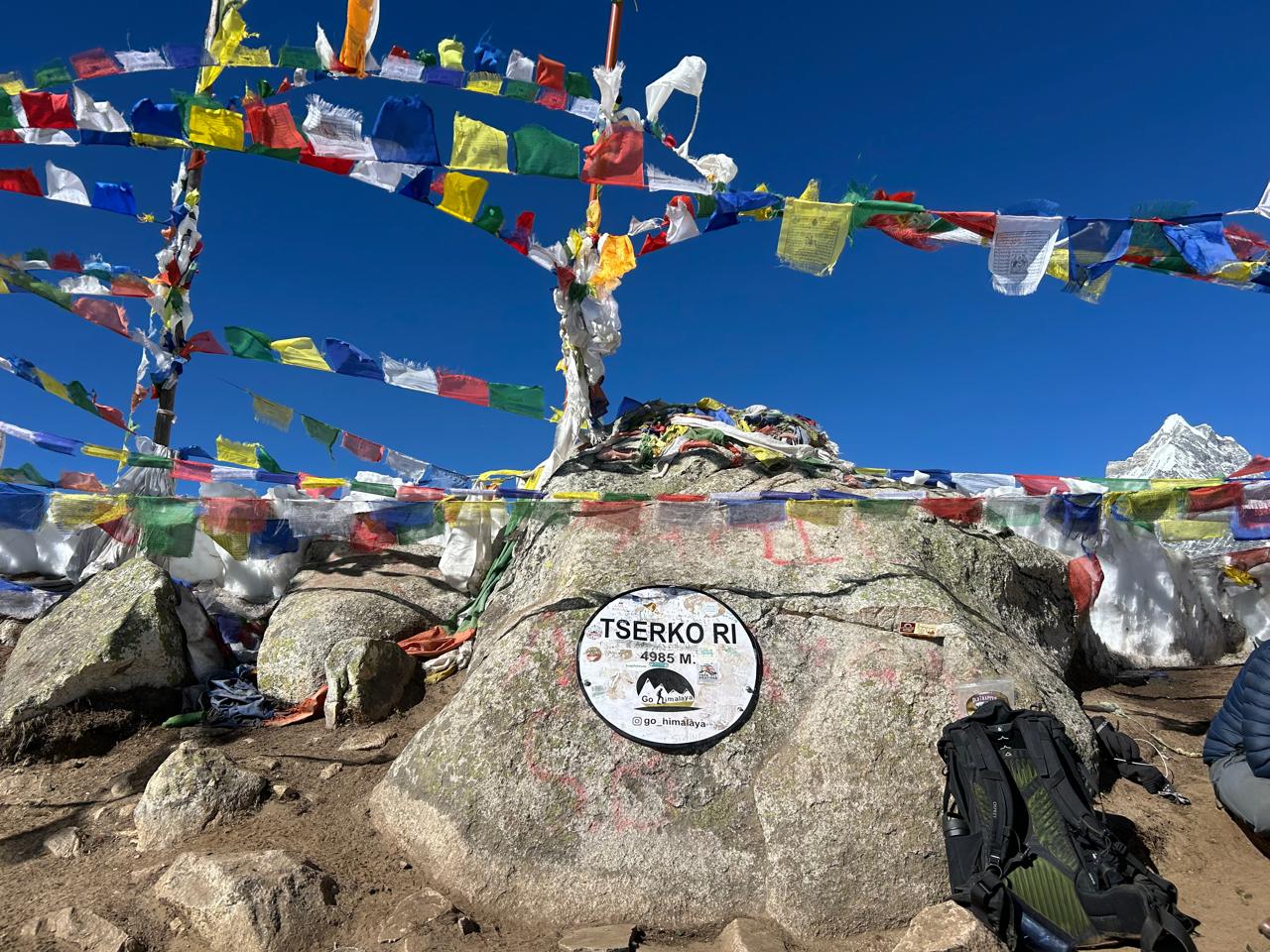
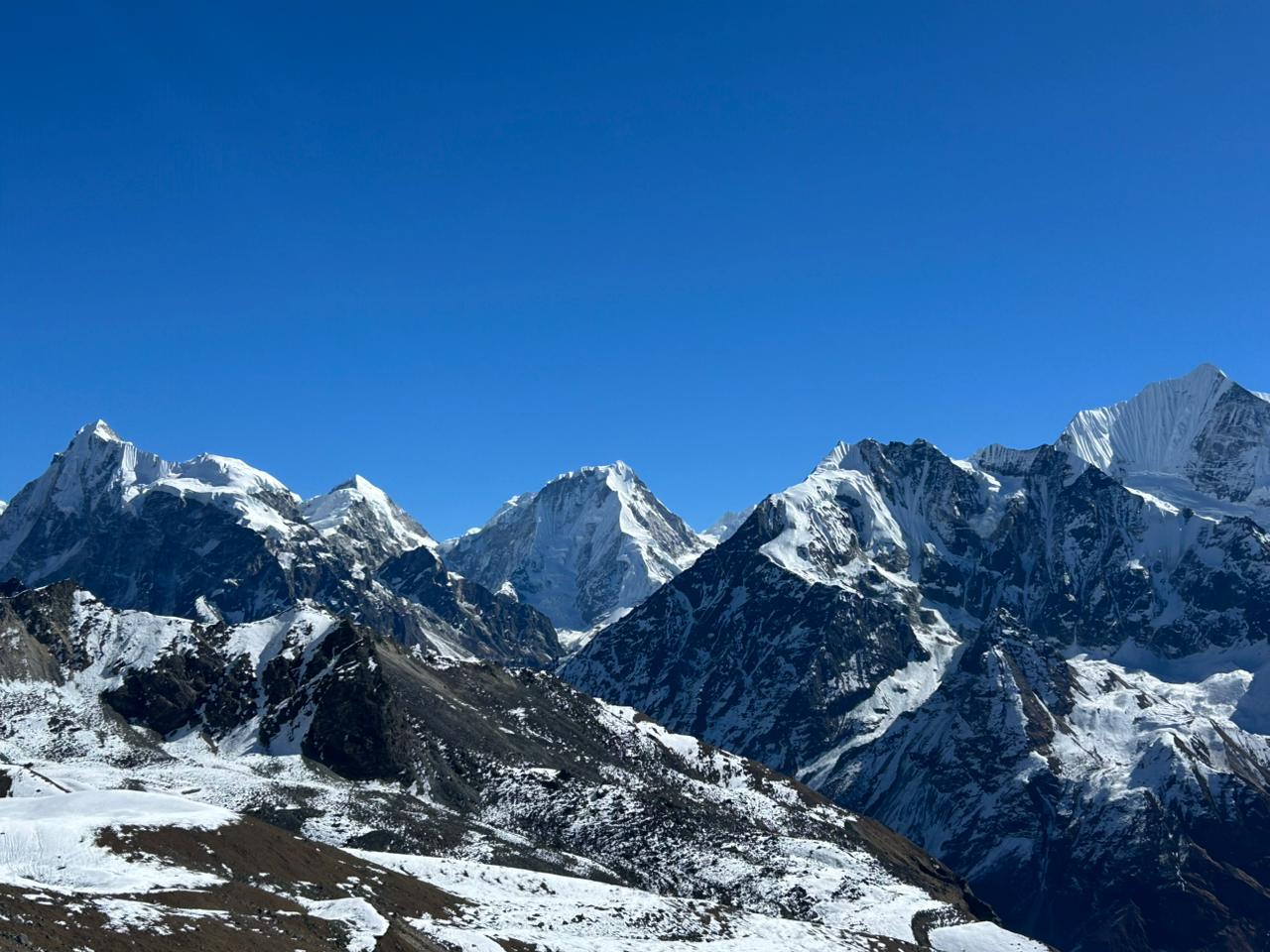
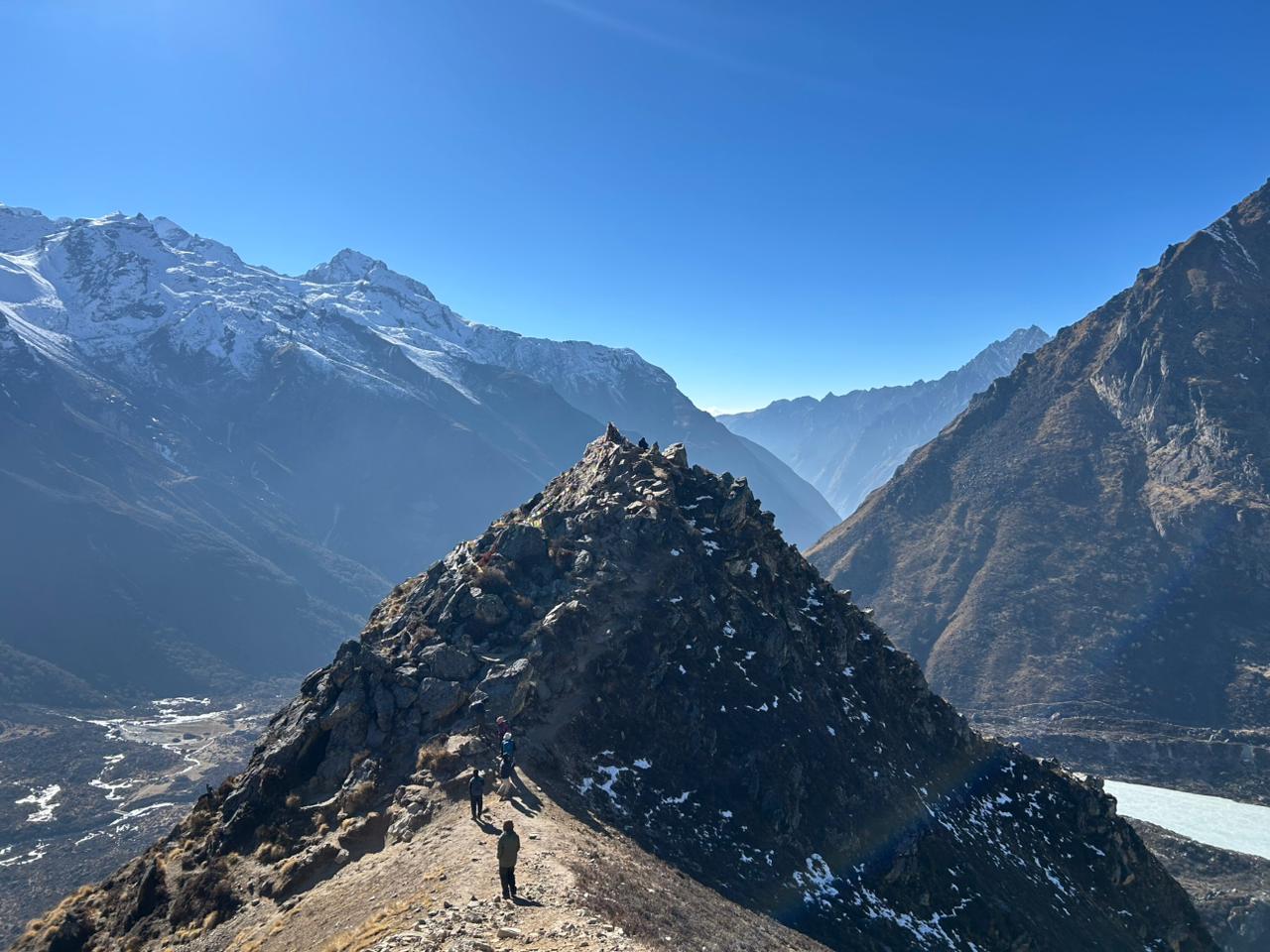
Starting from Syabru Besi, the trek gradually ascends through charming settlements like Lama Hotel and Mundu before reaching the sacred village of Kyanjin Gompa. Surrounded by snow-capped giants like Langtang Lirung, Gangchempo, and Dorje Lakpa, Kyanjin Gompa is a place of serene beauty and spiritual significance. With acclimatization days and optional hikes to Kyanjin Ri or Tsergo Ri, you’ll have plenty of opportunities to soak in panoramic views and immerse yourself in the tranquil Himalayan atmosphere.
The Langtang Valley is not just a trekking destination—it’s a living tapestry of culture and history. The Tamang people, indigenous to this region, have preserved their Tibetan-influenced traditions for centuries, seen in their intricate stone houses, fluttering prayer flags, and ancient monasteries. The valley’s close ties to Tibet are evident in its architecture, festivals, and daily life, offering trekkers a rare glimpse into a way of life shaped by Buddhism and mountain resilience.
Tragically, the 2015 earthquake brought devastation to Langtang, burying entire villages under avalanches. Yet, the spirit of the local communities remains unbroken. Through determination and hard work, they have rebuilt their homes and revived their cultural heritage, with trekking tourism playing a key role in their recovery. By choosing this trek, you’re not only embarking on an unforgettable adventure but also supporting the valley’s ongoing revival.
Geographically, Langtang is a wonderland of contrasts—lush subtropical forests give way to alpine meadows, glacial moraines, and rugged cliffs carved by the powerful Langtang Khola River. The region’s biodiversity is astounding, with oak, maple, and rhododendron forests at lower elevations and juniper and birch higher up. The valley is framed by towering peaks, including the majestic Langtang Lirung (7,234 m), creating a dramatic backdrop for your journey.
With Himalayan Immersion Treks, you’ll explore this magical valley with expert guides who know every trail, village, and hidden gem. Their personalized care ensures a safe and enriching experience, whether you’re marveling at sunrise over the Himalayas, sipping butter tea with locals, or standing in awe of Kyanjin Gompa’s sacred serenity. If you’re looking to reconnect with nature, delve into Himalayan culture, or simply escape the noise of modern life, the Langtang Valley Trek promises an adventure that will stay with you long after you’ve left the mountains.
Why Choose Himalayan Immersion Treks for the Langtang Valley Trek?
- Expert & Friendly Guides – Our team consists of highly experienced, local guides who treat you like family. They ensure your safety, share fascinating insights, and handle all trekking logistics smoothly.
- Tailor-Made Trekking Packages – We design well-planned itineraries with the perfect balance of adventure, comfort, and cultural immersion—all at a competitive cost.
- Pre-Trek Preparation & Support – From packing tips to permits, we guide you through every step before the trek so you feel fully prepared.
- Comfortable Accommodations & Local Experiences – We partner with the best lodges and teahouses, ensuring cozy stays and authentic local meals. You’ll taste traditional Sherpa and Tamang cuisine while experiencing warm Himalayan hospitality.
- Strong Local Connections – With deep ties to local communities, hotels, and transport providers, we ensure seamless travel arrangements and fair support for mountain villages.
- Safety First Approach – Your safety is our top priority. We monitor weather conditions, provide proper gear advice, and handle emergencies professionally.
- Sustainable & Responsible Tourism – We promote eco-friendly trekking and support local economies, ensuring your adventure benefits the people and places you visit.
Custom Option
You can customize this trek according to your need like:
- Kathmandu valley tour
- Private jeep from Kathmandu to Syabru Besi.
- Remove Porter Service
- Remove Kathmandu accomodation
Best Time for This Trek
1. Spring (March-May) – This is a magical time in Langtang! The hills come alive with blooming rhododendrons and wildflowers, painting the trails in vibrant colors. The skies are crystal clear, offering stunning views of the Himalayas, and the temperatures are pleasantly warm—ideal for comfortable trekking.
2. Autumn (September-November) – After the monsoon rains, the air is fresh, and the skies are unbelievably clear. The landscapes are lush, and the mountain views are jaw-droppingly sharp, making it the best time for photography and helicopter tours. The weather is stable, with cool mornings and sunny days—perfect for long hikes.
3. Monsoon (June-August) – We do not recommend trekking during monsoon. Heavy rains cause landslides, muddy trails, and slippery paths, making travel difficult and risky. The clouds also block the mountain views, so it's not the best experience.
4. Winter (December-February) – While possible, winter trekking in Langtang is challenging due to heavy snowfall and freezing temperatures. Many teahouses close, and trails can be dangerous, so we do not suggest trekking during this time unless you're prepared for extreme cold.
Preparation For This Trek
1.Physical Fitness Matters
-This trek involves 5-7 hours of daily walking on uneven terrain, so start training at least 2-3 months before your trip.
-Build stamina by walking 1 hour daily, preferably on hills or stairs. Weekend short hikes with a backpack will help condition your legs and lungs.
-Strength training (squats, lunges, core exercises) will make steep climbs easier.
2.Mental Preparation is Key
-High-altitude trekking can be challenging but rewarding. Be prepared for changing weather, basic teahouse stays, and occasional fatigue.
-A positive attitude and patience go a long way—remember, it’s about the journey, not just the destination!
3.Packing Smart: What to Bring
✔ Proper Clothing (Layered!) – Temperatures swing from warm days to freezing nights. Pack:
-Moisture-wicking base layers
-Insulated jacket & fleece
-Waterproof trekking pants & jacket
-Warm hat, gloves, and thermal socks
✔ Essential Gear – A sturdy backpack (40-50L) for your 11-day trek, plus:
-Good hiking boots (broken in!)
-Sunglasses (UV protection) & sunscreen
-Reusable water bottle/hydration pack
-Headlamp & extra batteries
-Personal items (camera, power bank, toiletries)
✔ Health & Safety Must-Haves
-First aid kit (bandages, painkillers, blister care)
-Altitude sickness medication (Diamox, consult your doctor)
-Water purification tablets
-Snacks (energy bars, nuts)
4.Important Documents
-Passport & permits (we’ll help arrange TIMS and Langtang National Park permits)
-Travel insurance covering high-altitude trekking (up to 5,000m)
-Emergency contact details
5.Final Tips
-Listen to your body—altitude affects everyone differently. Go slow, stay -hydrated, and follow your guide’s advice.
-Pack light but wisely—you’ll carry your daypack; porters or mules can handle the rest.