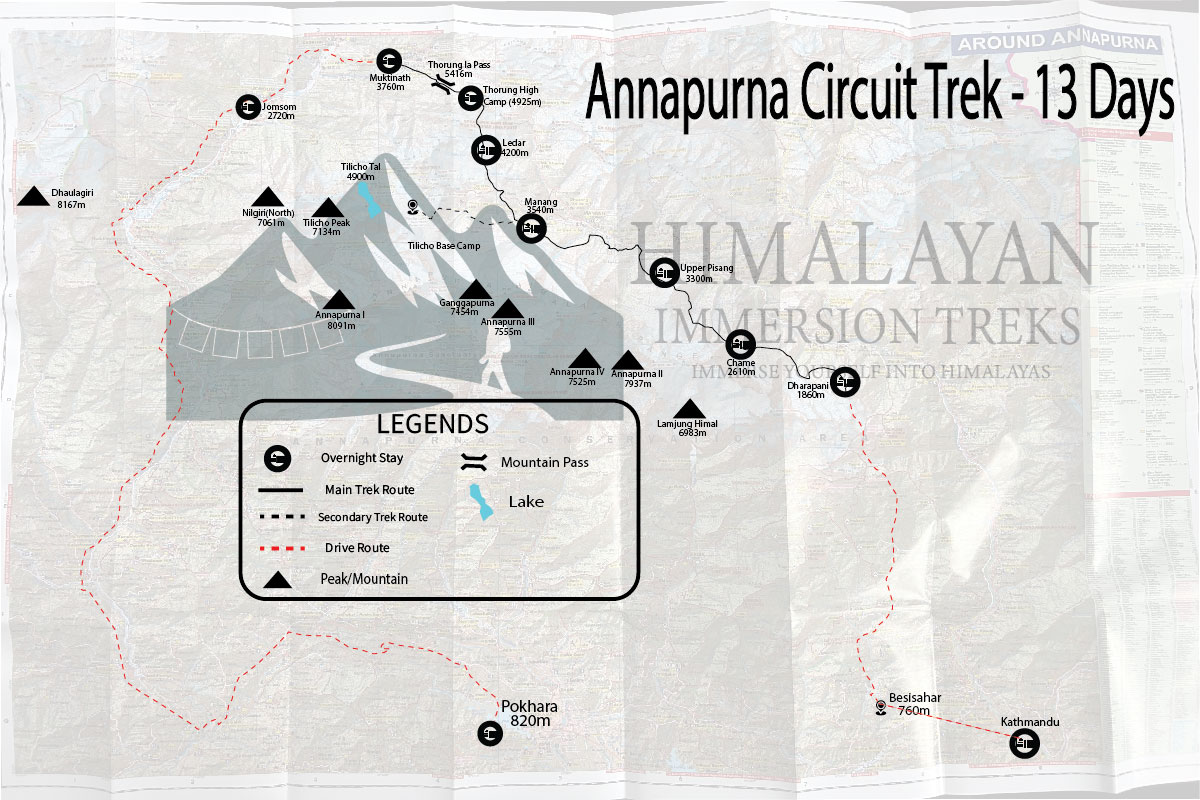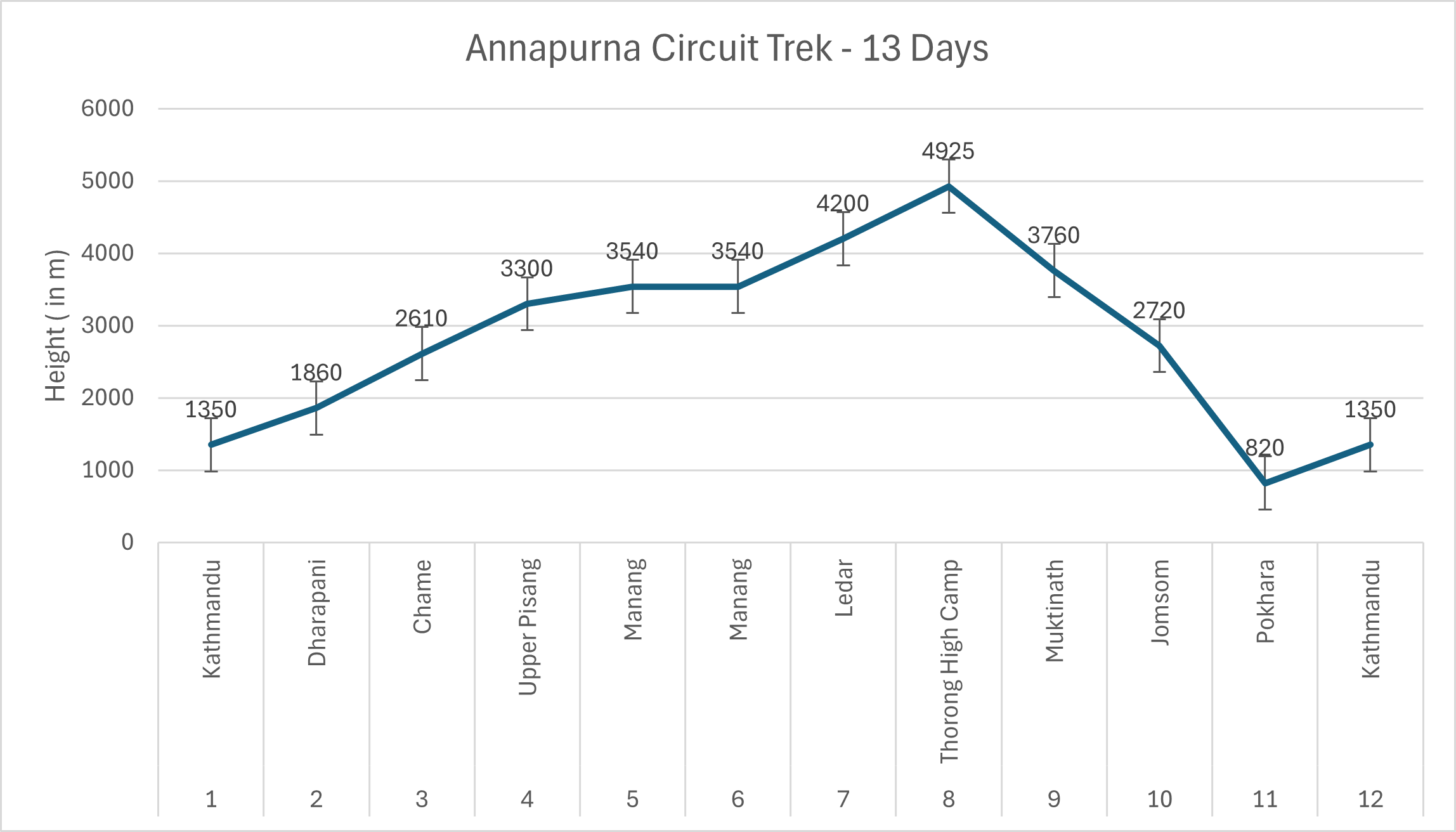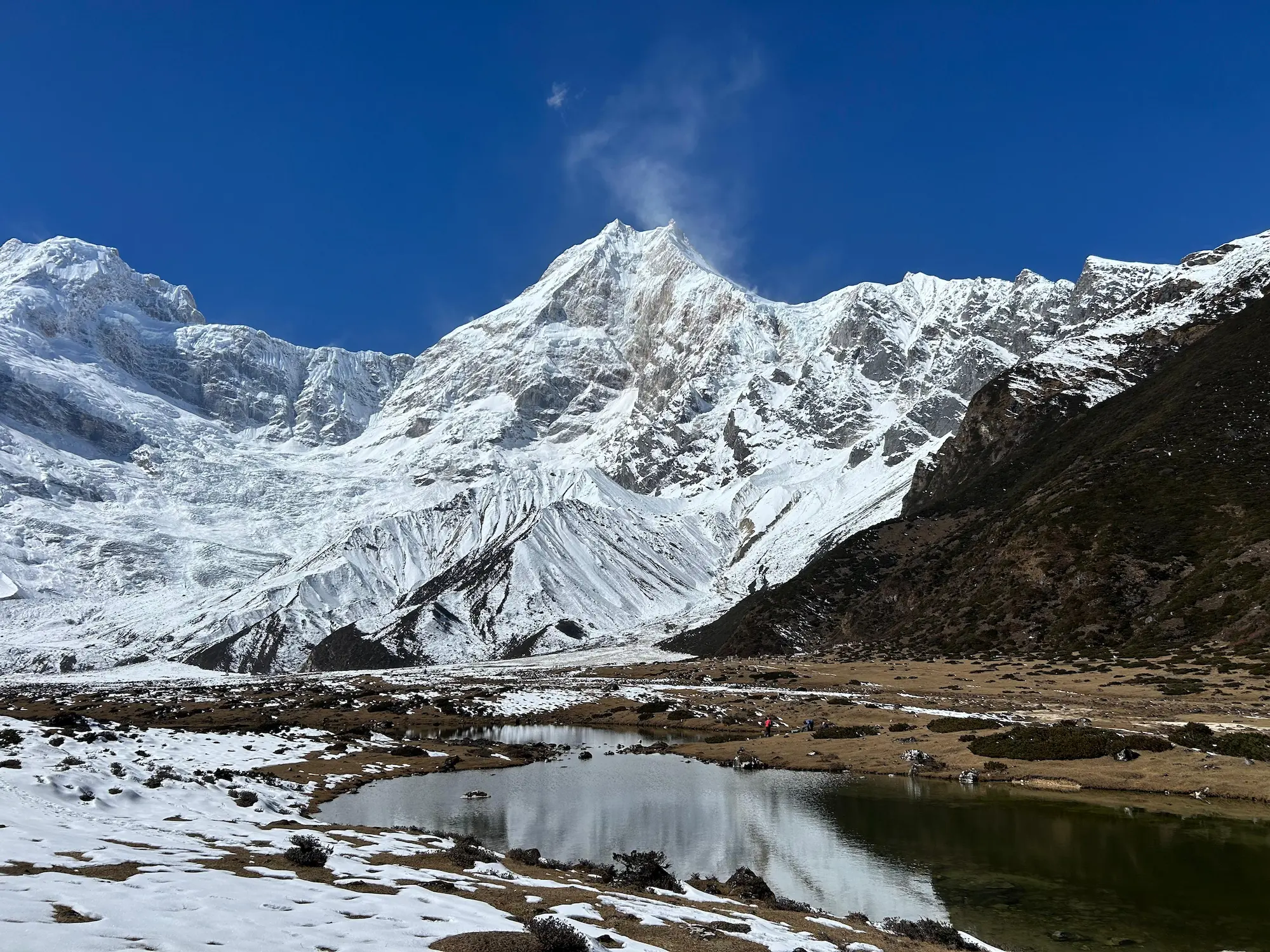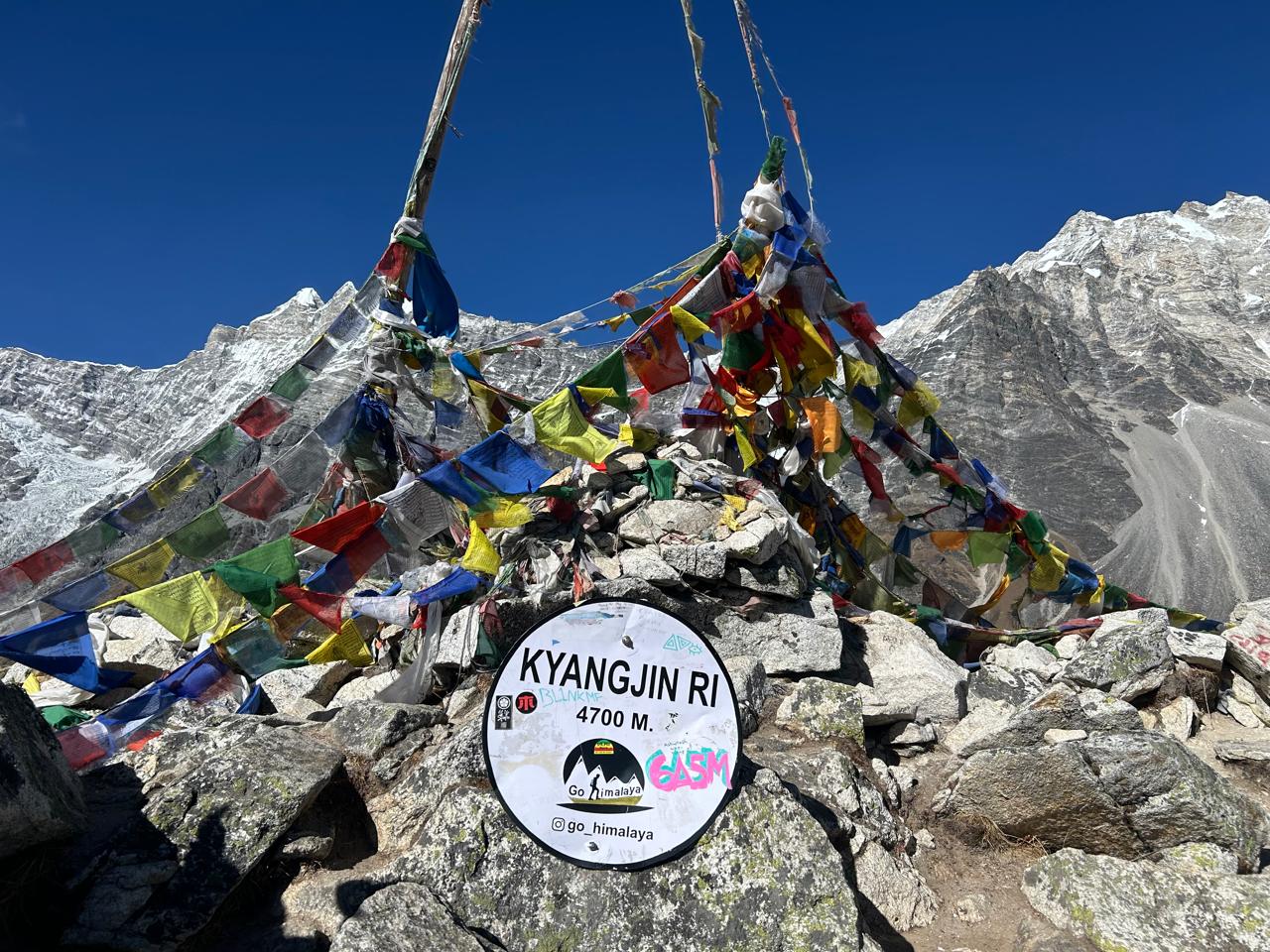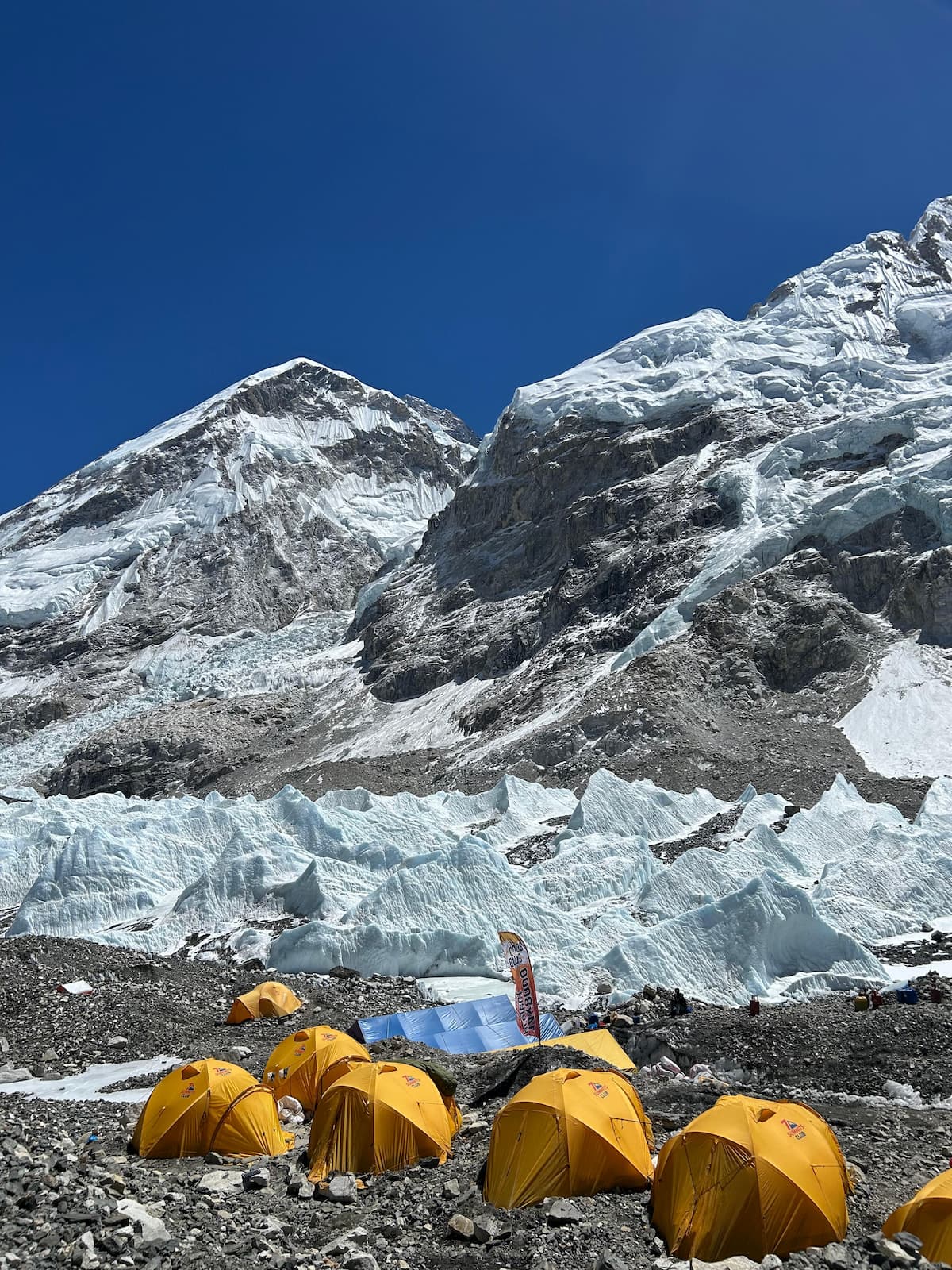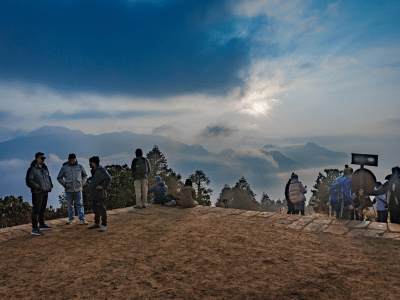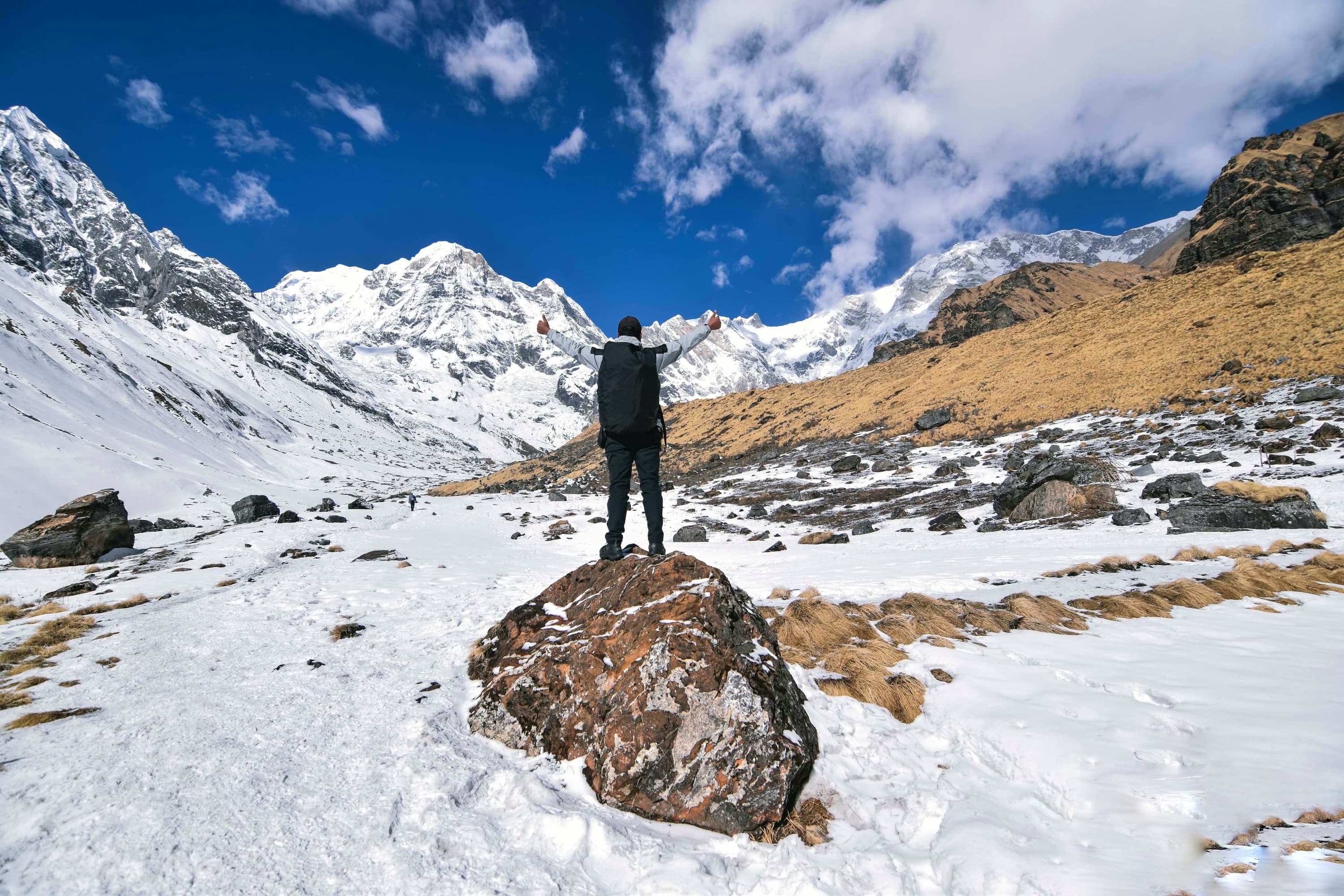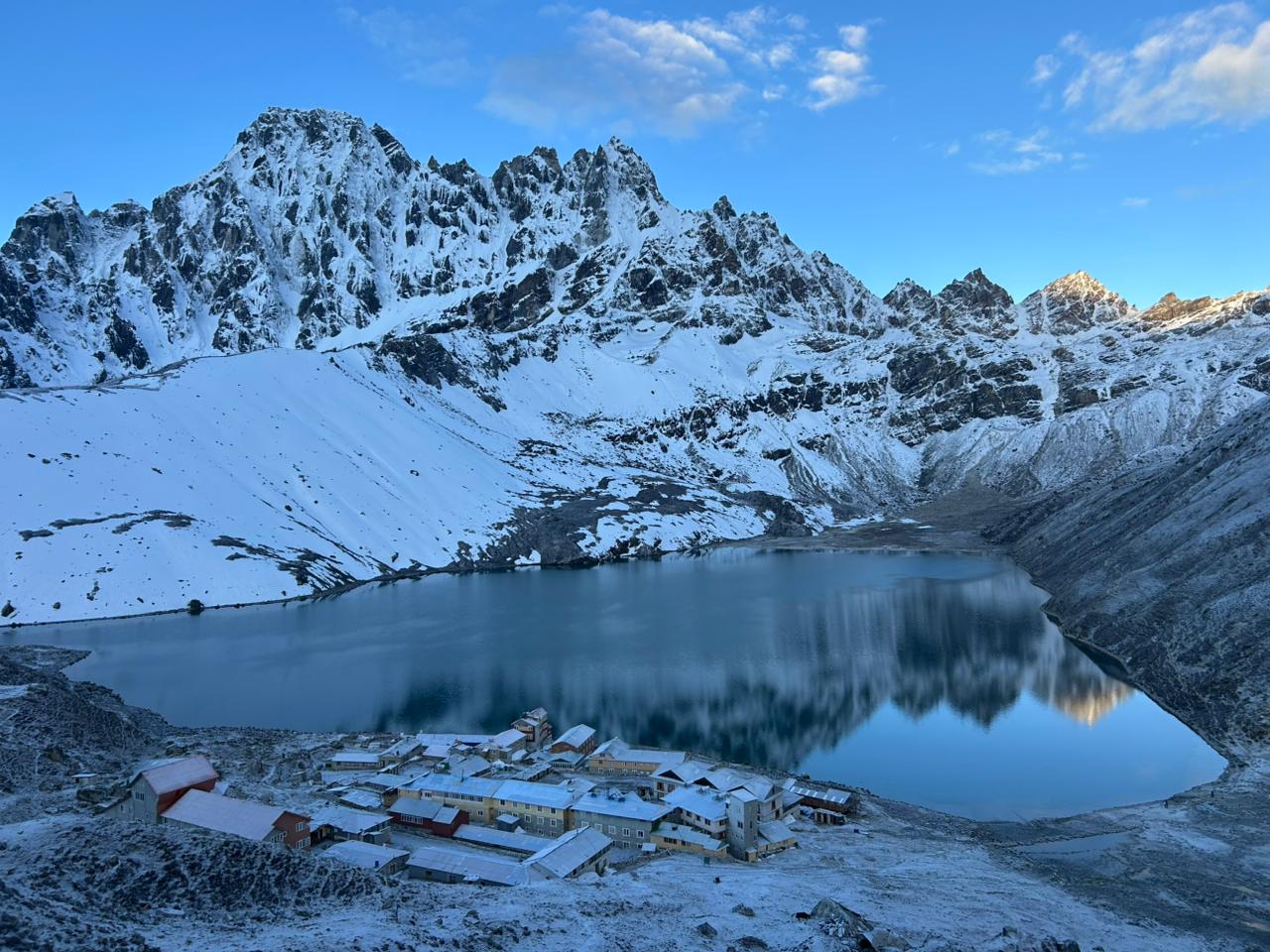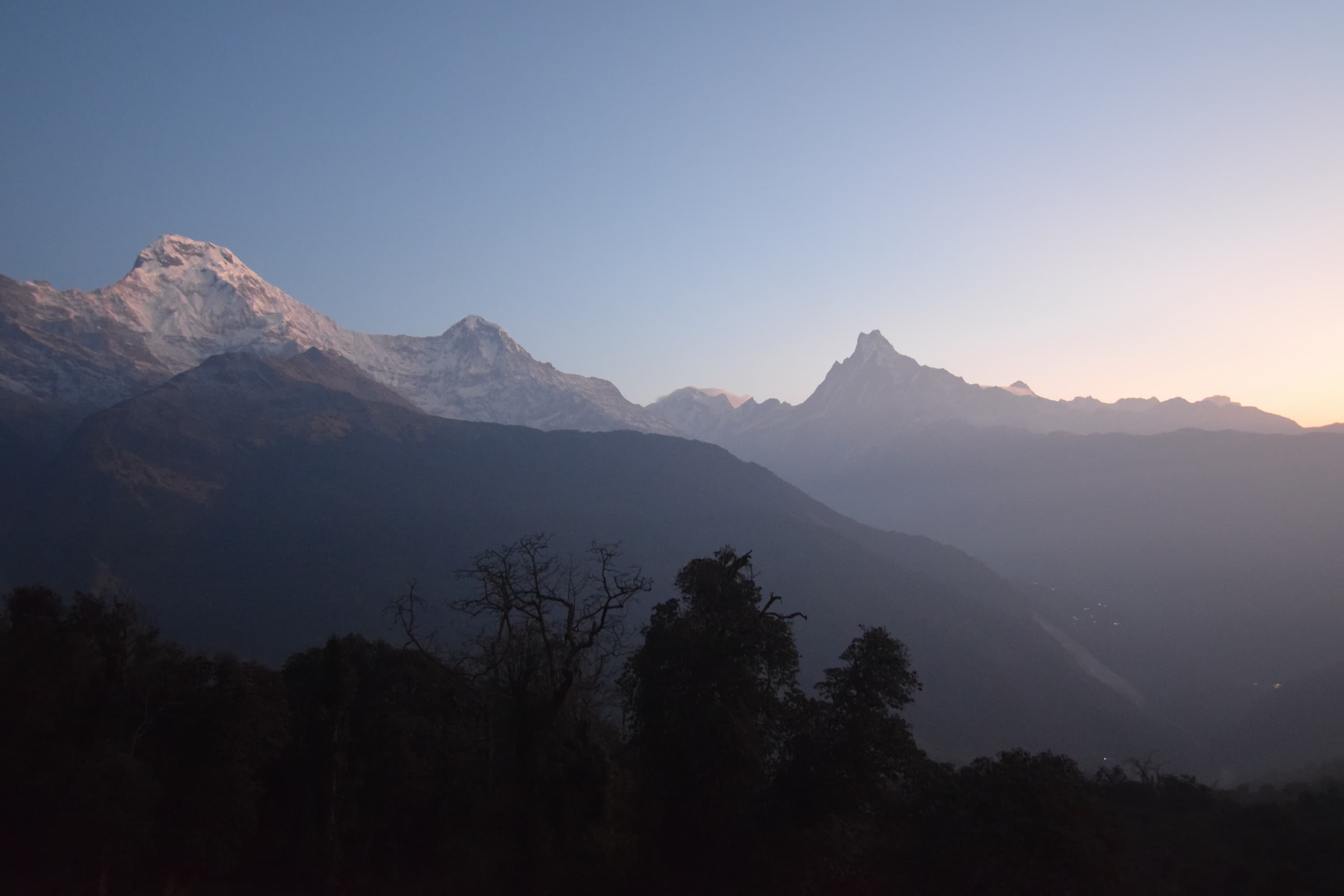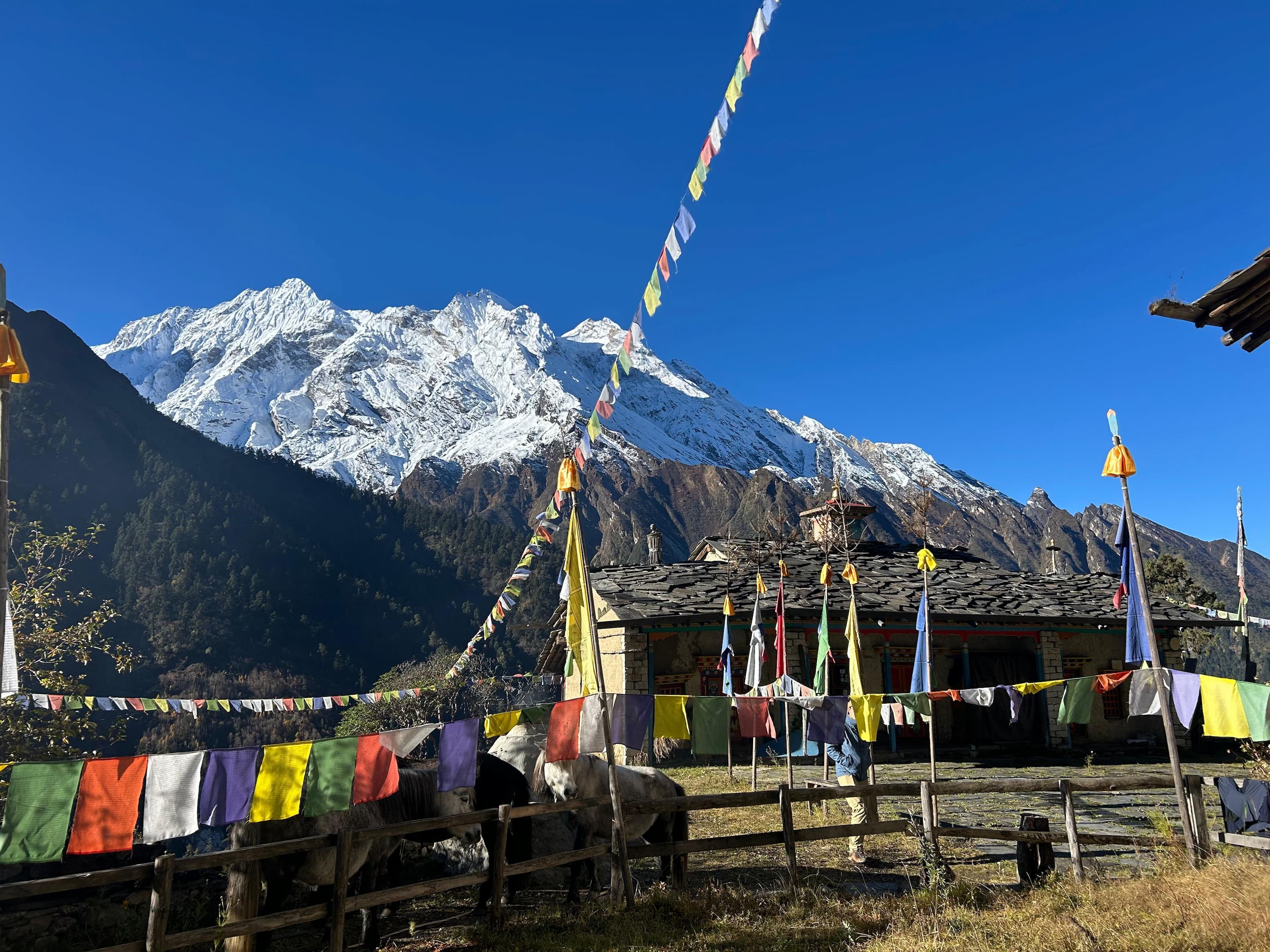
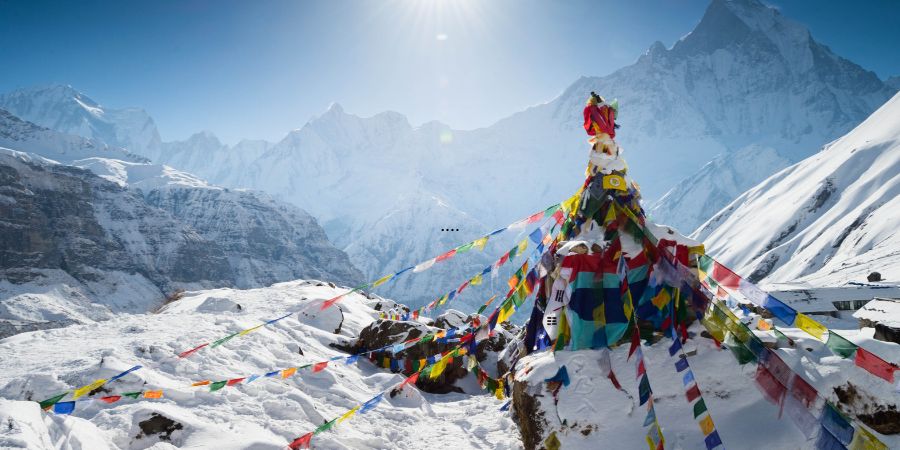
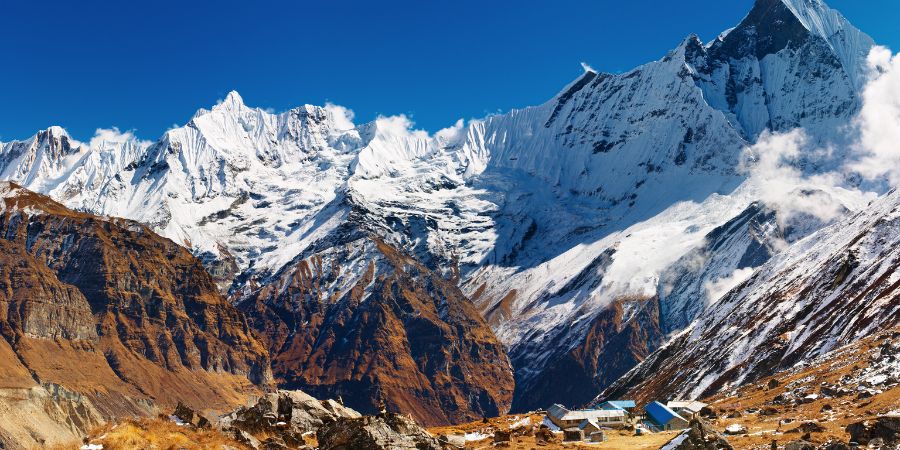
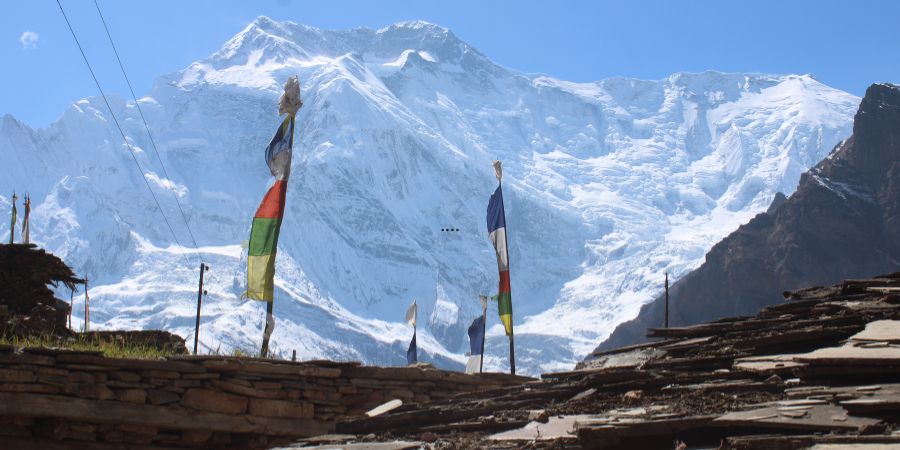
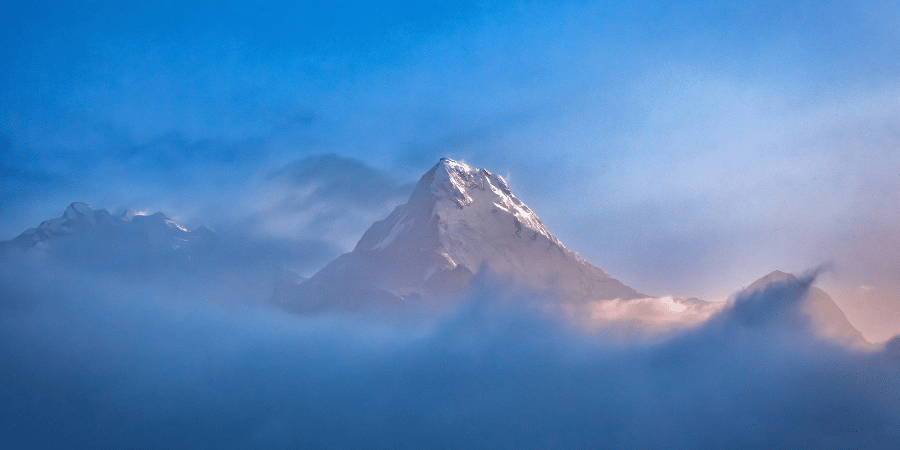
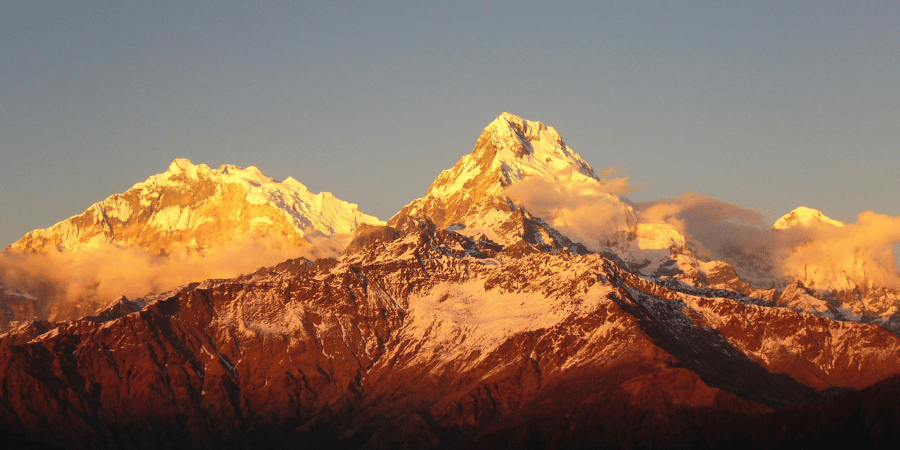
The Annapurna Circuit Trek with Himalayan Immersion Treks is an unforgettable journey through some of Nepal’s most stunning landscapes and vibrant cultures. Over 13 days, you’ll traverse lush valleys, high mountain passes, and traditional villages, experiencing the rich diversity of the Himalayas. Starting from Besisahar, the trail winds through terraced fields and dense forests, gradually ascending into the dramatic alpine terrain of Manang. Along the way, you’ll encounter warm hospitality in charming villages like Chame and Pisang, where Tibetan Buddhist influences are evident in ancient monasteries and prayer flags fluttering in the wind. The trek’s pinnacle is crossing Thorong La Pass at 5,416 meters, a challenging but rewarding achievement offering breathtaking views of snow-capped peaks like Annapurna and Dhaulagiri.
Descending into Mustang, the landscape transforms into a windswept desert, home to the sacred Muktinath Temple, a pilgrimage site revered by Hindus and Buddhists alike. From here, the trail follows the Kali Gandaki River, passing through picturesque villages like Marpha, known for its apple orchards and traditional stone houses.
Beyond the natural beauty, this trek is a deep dive into Himalayan culture. You’ll walk historic trade routes once used by salt caravans, visit centuries-old monasteries, and learn about the Gurung and Thakali communities, whose traditions and hospitality enrich the journey. Himalayan Immersion Treks ensures a well-paced itinerary, allowing time to acclimatize and truly absorb the surroundings. With expert guides, comfortable teahouse stays, and a focus on sustainable travel, this trek is more than just an adventure—it’s a meaningful connection to the heart of the Himalayas. Whether you’re drawn by the physical challenge, the cultural immersion, or the awe-inspiring scenery, the Annapurna Circuit Trek promises an experience that stays with you long after the journey ends.
Why Choose Himalayan Immersion Trek for This Trek:
- Trusted Experts with Years of Experience – Himalayan Immersion Trek isn’t just another trekking agency—they’re seasoned pros who’ve been guiding adventurers through the Himalayas for years. They know every twist and turn of the Annapurna Circuit, ensuring you get the safest, most rewarding experience possible.
- Customized Itineraries That Fit YOU – Forget rigid, one-size-fits-all plans. Their team designs trips based on your budget, timeline, and fitness level—whether you want a relaxed cultural journey or a challenging high-altitude adventure.
- Local Guides Who Feel Like Friends – Their guides aren’t just knowledgeable—they’re passionate storytellers, safety-conscious professionals, and the kind of people who’ll cheer you on at 5,000 meters. Many grew up in these mountains, so you’ll get insider stories and hidden gems most trekkers miss.
- Seamless Logistics, Zero Stress – From cozy teahouse bookings to emergency jeep backups, they’ve got connections everywhere. No haggling for rooms or worrying about permits—they handle it all so you can focus on the views.
- Real Connections with Local Communities – Thanks to their deep ties in the region, you’ll experience authentic hospitality. Think home-cooked meals with village families, monastery visits with local monks, and cultural exchanges most tourists never get.
- Safety as the Top Priority – Their guides are trained in altitude sickness prevention, first aid, and route adjustments for weather. If conditions change, they adapt—because your well-being matters more than sticking to a schedule.
- Ethical & Sustainable Trekking – They support local economies by hiring Nepali staff, using small lodges, and minimizing environmental impact. Your trek benefits the people who call these mountains home.
Best Season For this Trek
- Spring (March-May) – This is when the mountains come alive! The trails are lined with blooming rhododendrons (Nepal’s national flower) and wildflowers, turning the hillsides into a colorful paradise. The weather is warm but not too hot, and the skies are crystal clear—perfect for those jaw-dropping views of the Annapurna peaks.
- Autumn (September-November) – After the monsoon rains wash away the dust, the air becomes super fresh, and the visibility is unbeatable. The skies are bright blue, the landscapes are lush, and the temperatures are just right—cool mornings and warm afternoons. It’s the most popular time for trekking, and for good reason!
Seasons to Avoid:
- Monsoon (June-August) – Heavy rains make trails slippery, landslides are common, and leeches come out to play. Not ideal for trekking!
- Winter (December-February) – Freezing temperatures, heavy snowfall, and risky passes like Thorong La become extremely dangerous.Himalayan Immersion Trek doesn’t recommend trekking during this time—your safety comes first!
Preparation for this Trek
1.Get Your Body Ready
-Start walking daily – At least 1 hour a day (with a small backpack) to build stamina. If you can, include uphill hikes to mimic trekking conditions.
-Strengthen your legs & core – Squats, lunges, and stair climbing will help you tackle those long mountain trails.
-Test your gear – Break in your trekking boots before the trip to avoid painful blisters!
2.Train Your Mind Too
-Altitude is no joke – You’ll be hiking above 5,000m, so prepare mentally for thin air, fatigue, and unpredictable weather. Stay patient and listen to your body.
-Expect challenges – Some days will be tough, but the views and sense of achievement make it all worth it!
3.Pack Smart – Less is More!
-Clothes? No need to carry everything—porters will handle your main bag. Just keep essential layers (thermal wear, waterproof jacket, warm hat, gloves).
-Personal gear? Bring a small daypack for must-haves:
-Sunglasses (high-altitude sun is intense!)
-Camera/phone (you’ll want to capture every view)
-Water bottle, snacks, sunscreen, and lip balm
-First aid kit + altitude sickness meds (Diamox, painkillers, bandages)—better safe than sorry!
4.Don’t Forget Documents!
-Permits (ACAP & TIMS) –Himalayan Immersion Trek will arrange these, but carry copies.
-Passport + insurance – Keep them handy at all times.
Final Tip:
Listen to your guides—they’re experts at keeping you safe and happy on the trail. If they say slow down, hydrate, or take an extra rest day, trust them!