Cultural Tours in Nepal with Himalayan Immersion Treks: A Deeper Connection
- 2025-06-26 16:03:47
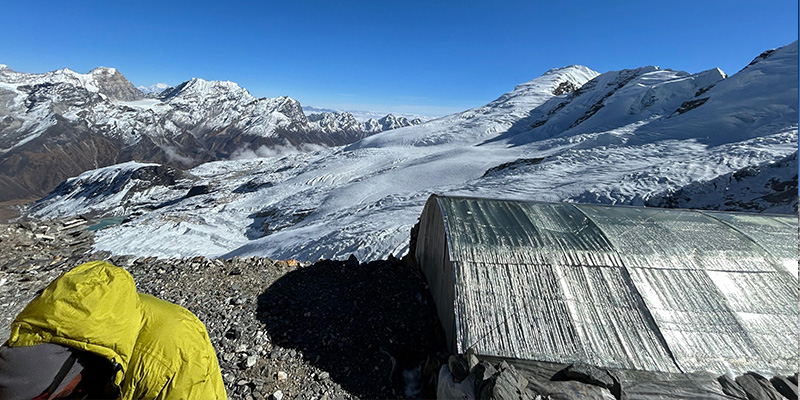
If you’re planning to climb one of Nepal’s classic trekking peaks — like Mera Peak, Island Peak, or Lobuche East — there’s some important news for 2026.
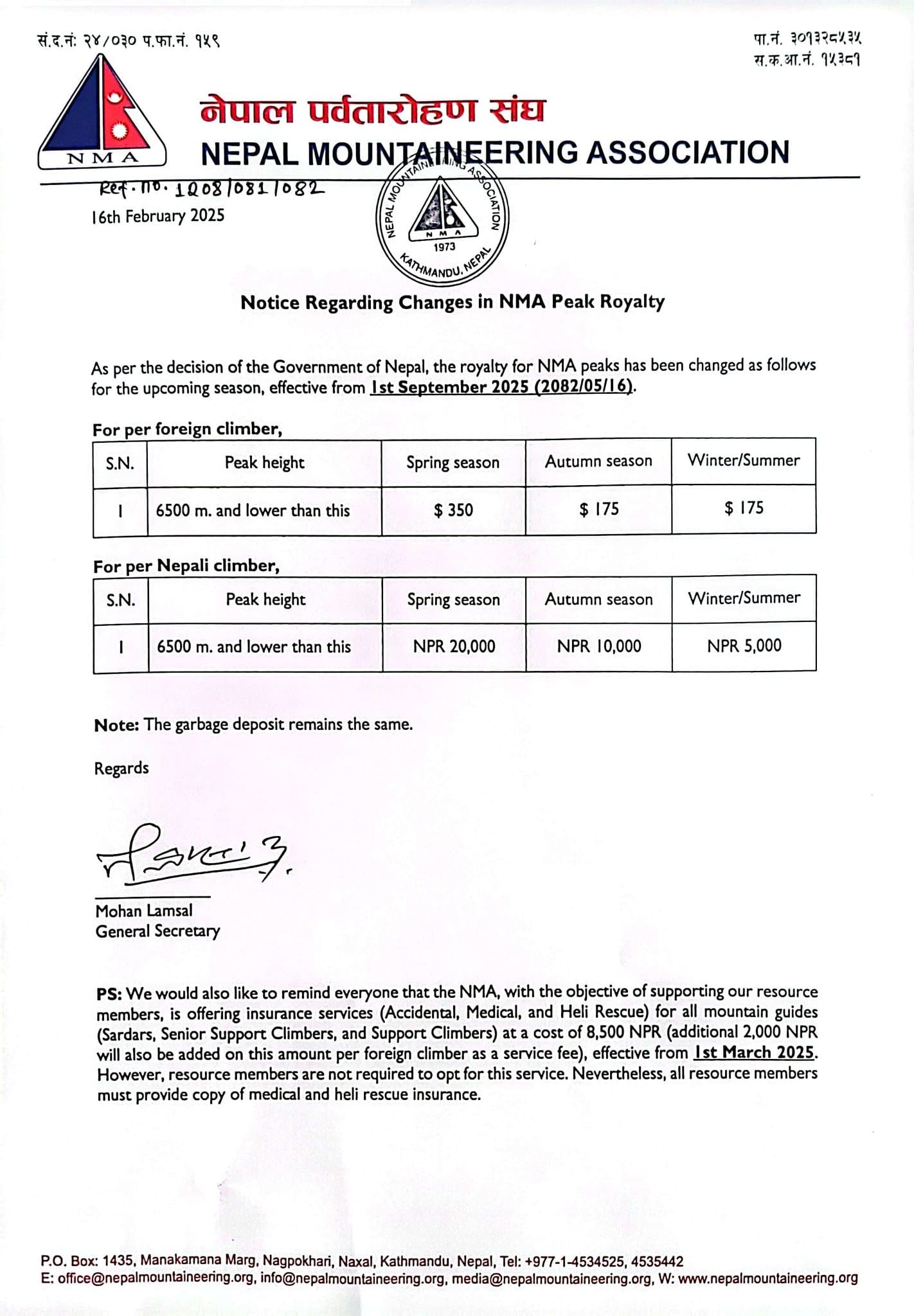
The Government of Nepal and the Nepal Mountaineering Association (NMA) have continued the revised permit fee structure that was first introduced in 2025.
These updated rates remain in effect for the 2026 climbing season, aiming to support sustainable tourism, improve mountain management, and ensure local communities benefit fairly from climbing activities.
Here’s what every climber needs to know about the current permit costs, rules, and how these updates impact your adventure plans.
Nepal’s trekking peaks — those under 6,500 m — are managed by the NMA (Nepal Mountaineering Association) and remain among the most popular climbs for beginners and intermediate mountaineers.
The permit fee continues to vary by season, encouraging climbers to explore the Himalayas year-round.
| Season | Foreign Climbers (USD) | Nepali Climbers (NPR) |
|---|---|---|
| Spring (Mar–May) | $350 | 20,000 |
| Autumn (Sep–Nov) | $175 | 10,000 |
| Winter (Dec–Feb) | $175 | 5,000 |
| Summer/Monsoon (Jun–Aug) | $175 | 5,000 |
Source: Nepal Mountaineering Association (NMA) update, 2025.
Compared to the previous rates (which were roughly $250 for spring and $125 for other seasons), this is a moderate increase — but it’s meant to improve trail management and ensure better coordination with local authorities. Here's the link to the cost of all peaks of nepal by NMA.
There are three main reasons behind the 2025 revision:
Better Resource Management
Permit revenue helps fund route maintenance, waste management, and emergency response systems on busy peaks like Island and Mera.
Fair Support for Local Communities
More of the permit fees now go directly to local municipalities and community organizations in mountain regions.
Encouraging Off-Season Climbing
The reduced permit cost for autumn and winter aims to spread climbing activity throughout the year, reducing crowding during spring.
The new NMA permit rates apply to all 27 officially designated trekking peaks under 6,500 m, including:
Popular Group A Peaks:
Mera Peak (6,476 m)
Chulu East (6,584 m)
Kusum Kanguru (6,367 m)
Popular Group B Peaks:
Island Peak (6,189 m)
Lobuche East (6,119 m)
Pokalde Peak (5,806 m)
Yala Peak (5,732 m)
Pisang Peak (6,091 m)
These are among Nepal’s best peaks for beginner to intermediate climbers who want the thrill of a Himalayan summit without the extreme logistics and cost of an 8,000 m expedition.
If you’re planning your next climb, here’s how the change affects you:
Slightly Higher Permit Fees in Spring:
Spring remains the most popular climbing season with the best conditions — the new $350 permit is still a small fraction of total trip costs.
Cheaper Off-Season Options:
If you’re comfortable with colder or wetter weather, you can save significantly by climbing in autumn or winter.
Easier Permit Management:
All NMA peak permits are still processed through registered trekking and climbing agencies like Himalayan Immersion Treks, so climbers don’t need to worry about paperwork.
Mandatory Licensed Guide:
Solo climbing is not permitted. A government-licensed guide or climbing leader must be included in your team.
At Himalayan Immersion Treks, we believe these changes are positive for the future of Nepal’s mountain tourism.
Higher but fairer permit fees mean better-maintained routes, cleaner camps, and improved local livelihoods.
It also encourages climbers to explore lesser-known peaks, helping reduce pressure on overpopulated routes like Island Peak during peak season.
If you’re looking for the best climbing experience under the new permit system, here are a few recommendations:
Mera Peak (6,476 m) – Ideal first 6,000 m climb, incredible Everest views.
Lobuche East (6,119 m) – Great technical challenge after EBC trek.
Island Peak (6,189 m) – Perfect for those combining trekking and climbing.
We handle all permits, logistics, and guiding through registered channels — ensuring your climb is 100% legal, safe, and seamless. Here is the link to our complete package for Mera Peak, Island Peak and Lobuche Peak.
The 2025 update to Nepal’s trekking peak permit system is not just about higher prices — it’s about building a cleaner, fairer, and more sustainable climbing future.
With dozens of beautiful peaks to choose from, Nepal continues to be the world’s best playground for adventure climbers seeking something real, raw, and rewarding.
Permits for trekking peaks under 6,500 meters are issued by the Nepal Mountaineering Association (NMA). For higher expedition peaks like Everest or Ama Dablam, the Department of Tourism (DoT) handles the permits.
The NMA revised climbing permit fees in 2025, and those updated rates remain valid in 2026. The cost depends on the peak and the season. For example:
Mera Peak Permit: Around USD 175–350 per person (depending on the season).
Island Peak Permit: Around USD 175–350 per person.
Lobuche East Peak: Around USD 175–350 per person.
Check the official NMA or your trekking agency’s website for the latest details.
Yes. Besides the climbing permit, you’ll also need trekking permits such as:
Sagarmatha National Park Permit or Makalu Barun National Park Permit (depending on your route).
Local Rural Municipality Entry Permit (e.g., Khumbu Pasang Lhamu Rural Municipality).
Your trekking agency usually handles all these permits for you.
No. Foreign climbers must apply for NMA peak permits through a government-registered trekking or mountaineering agency in Nepal. Solo permit applications are not accepted.
The best times are:
Spring (March–May) – stable weather and excellent summit conditions.
Autumn (September–November) – clear skies and less crowded routes.
Summer and winter climbs are possible but more challenging due to weather extremes.
Yes. The NMA applies the same permit fee structure for all nationalities, though Nepali climbers may have a reduced rate under domestic climbing provisions.
A portion of each permit fee goes toward trail maintenance, waste management, local community development, and mountain rescue operations, ensuring sustainable tourism and safety for future climbers.
The most frequently climbed trekking peaks in Nepal include:
Mera Peak (6,476 m)
Island Peak (Imja Tse – 6,189 m)
Lobuche East (6,119 m)
Pisang Peak (6,091 m)
Yala Peak (5,732 m)
Each offers a unique challenge, stunning views, and an authentic Himalayan experience.
Simply book your climb through a registered trekking agency like Himalayan Immersion Treks. We’ll handle the entire permit process, logistics, and local coordination — so you can focus on training and enjoying your climb.
By using form u agree with the message sorage, you can contact us directly now

Show All Comments
usb-flashki-optom-24.ru- https://usb-flashki-optom-24.ru/
Флеш-накопитель 2 ГБ и подарочные USB-накопители мужчинам в Липецке. Шоколад с нанесением логотипа цена и пакеты оптом в Ижевске. USB-флешка 128 ГБ и нанесение по флешке рядом со мной в Ижевске. https://usb-flashki-optom-24.ru/